





Upcoming Tour: Essequibo River Jungle Trip

Home Jungle survival Jungle Survival Course

Jungle Survival Course

Learn real jungle survival in Guyana with Indigenous Makushi instructors, then put your skills to the test during a 3 days solo phase deep in the rainforest. A once-in-a-lifetime course combining traditional forest knowledge, modern safety systems, and true wilderness immersion.

5

Rating (50+ Reviews)

13-15 Days

13-15 Days

Duration
5–10 Guests

5–10 Guests

Group Size
Moderate

Moderate

Difficulty
Year-Round

Year-Round

Best Season
Georgetown

Georgetown

Start Point

Test your limits and learn true jungle survival with Indigenous instructors in the heart of Guyana's rainforest.

This jungle survival course takes you deep into the untouched rainforests of the North Rupununi, where the Burro Burro River winds through one of Guyana’s most remote and biodiverse landscapes. Guided by Indigenous Makushi instructors and The Wild Tales expedition team, you will learn how to survive, adapt, and function using the natural resources of the rainforest.

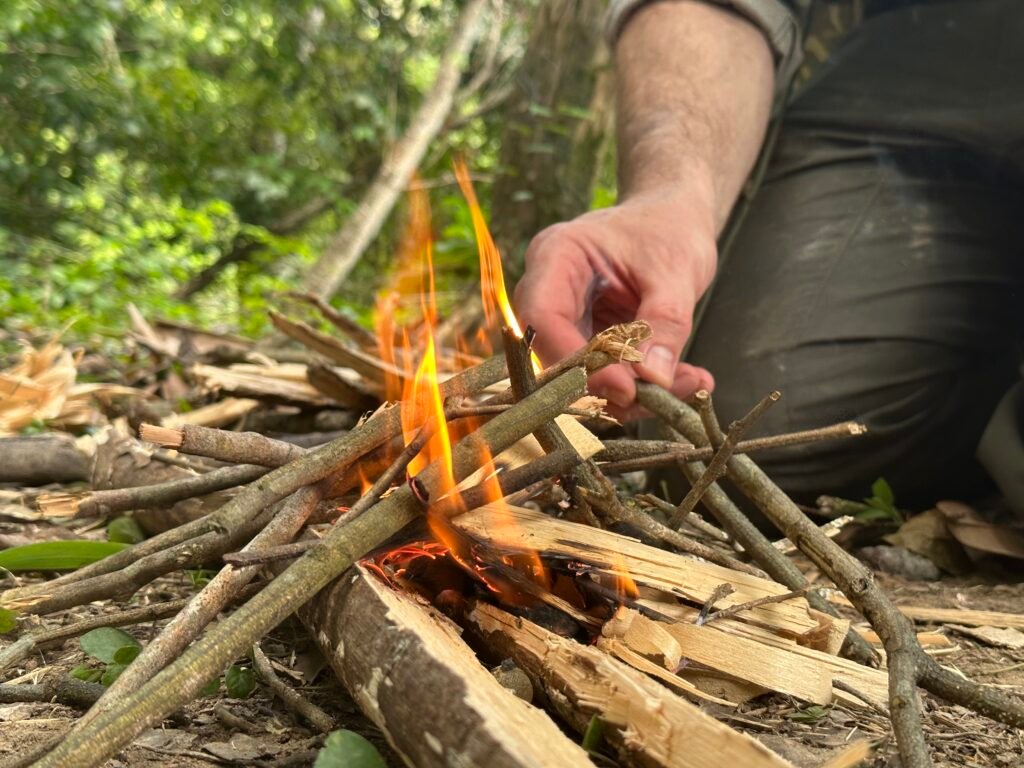
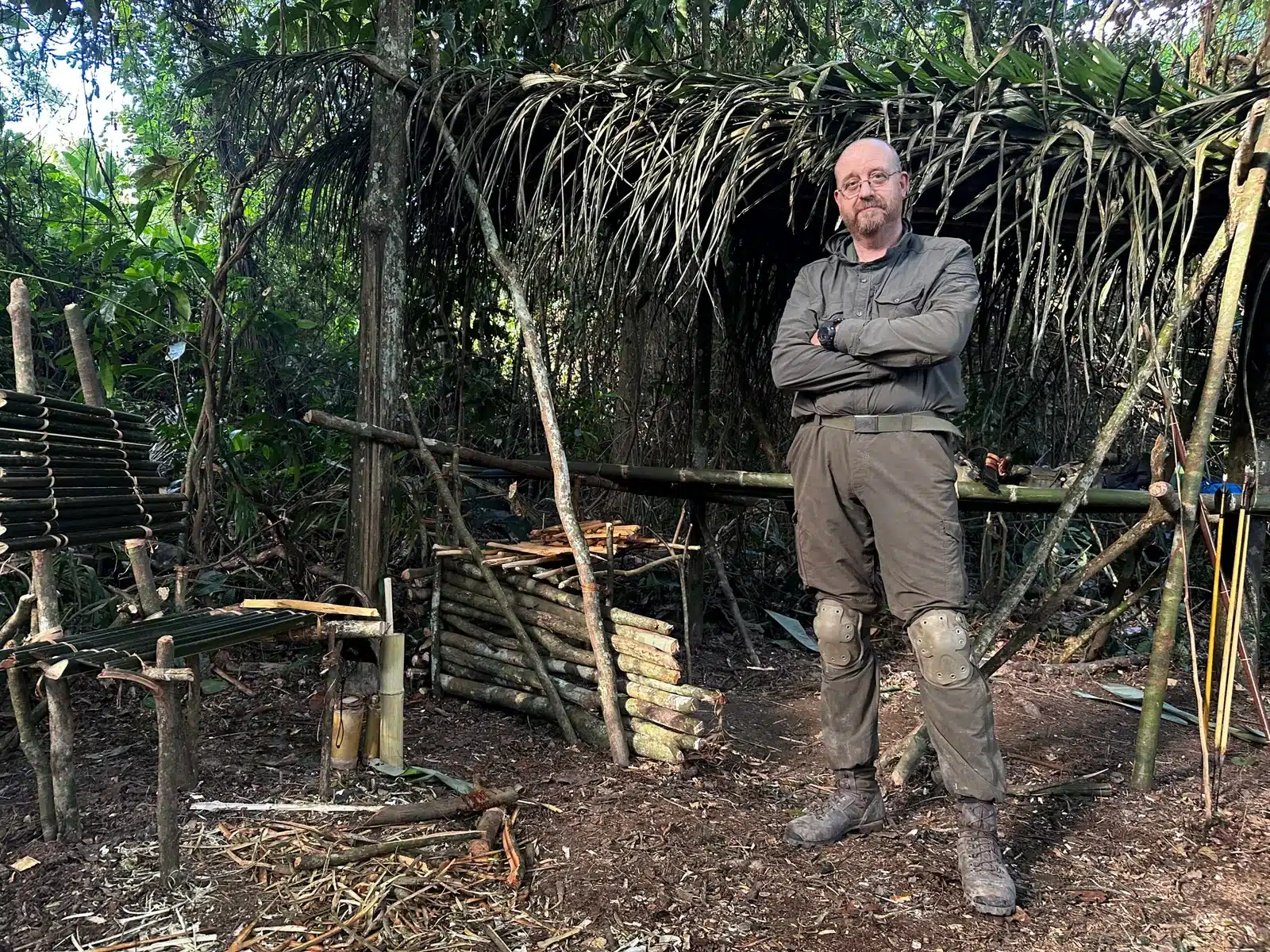
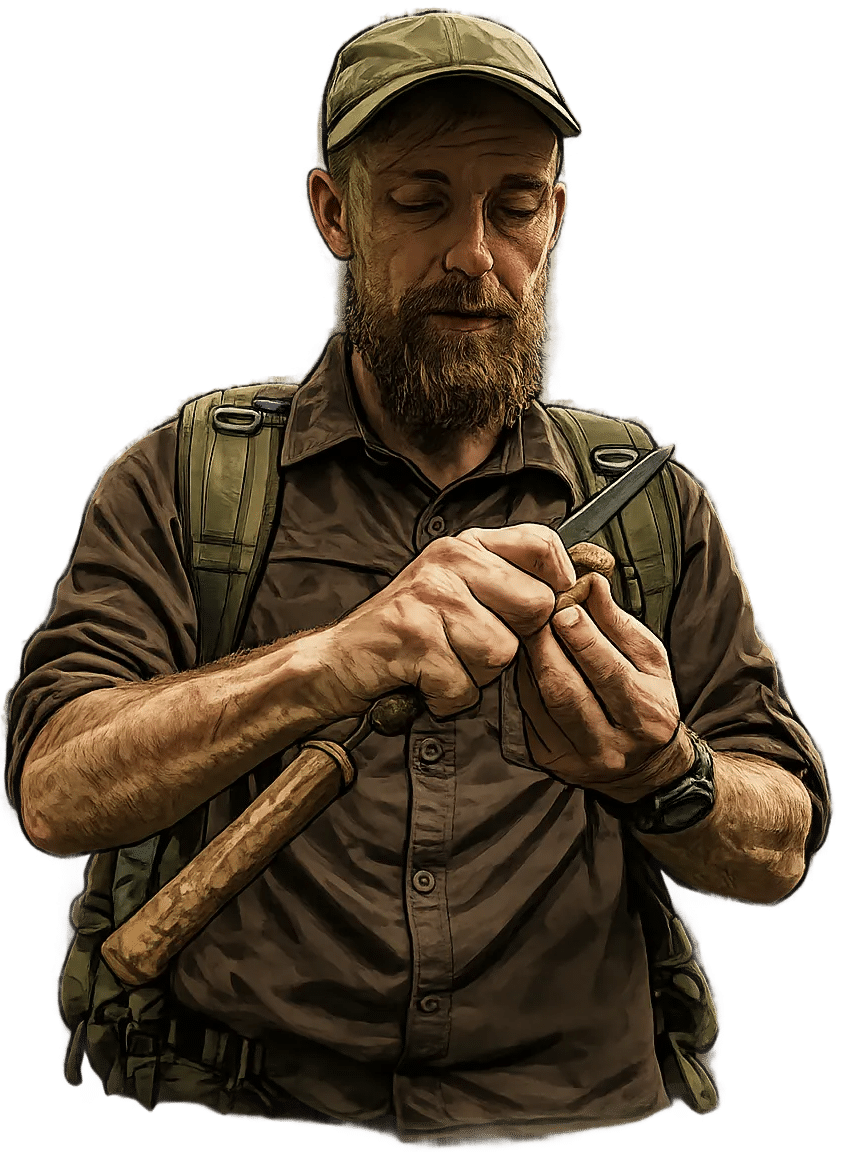
The first part of the course focuses on core survival skills: shelter, fire, water, fishing, machete use, camp craft, jungle safety, and understanding the forest around you. After training, you move into a solo survival phase, spending 3 days alone in the rainforest with only the skills and equipment provided through the course.

For those wanting a deeper challenge, the course can be extended to 15 days / 14 nights with a 5-day solo phase. This optional extension is for guests who want more time alone, greater self-reliance, and a stronger personal test.

No previous survival experience is required. This course is designed for people with a positive mindset, a willingness to learn, and the ability to work through discomfort. It is challenging but structured, supported, and guided by people who know this rainforest intimately.

This is not a sightseeing tour. It is a rare opportunity to train with Indigenous instructors, live close to the forest, and walk away with confidence, humility, and skills you will remember for life.

Secure Your Spot

Get in touch

50%

Deposit

Bank Transfer

Payment Method

Upcoming departures

Sep 7 – Aug 19, 2026
Available
$3,699
Jan 21 – Feb 2, 2027
Available
$3,699
Sep 10 – Sep 22, 2027
Available
$3,699

What sets this apart

These are the reasons people travel across the world for this course and why they remember it for the rest of their lives.

No Experience Needed

No Experience Needed

You do not need a survival background, military experience, or outdoor credentials, everyone is welcome. You need a positive attitude, humour, respect, and willingness to learn.
Indigenous Instructors

Indigenous Instructors

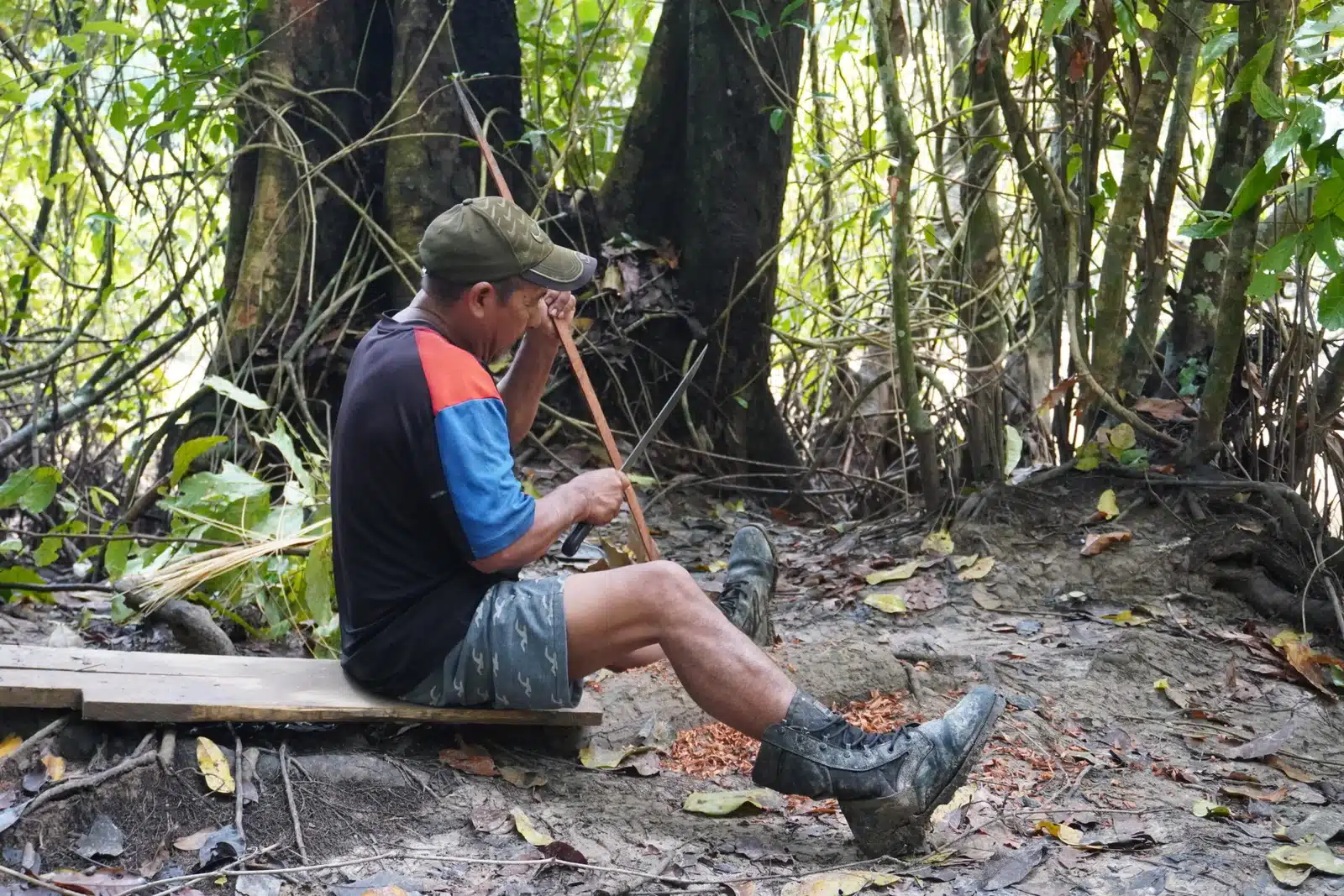
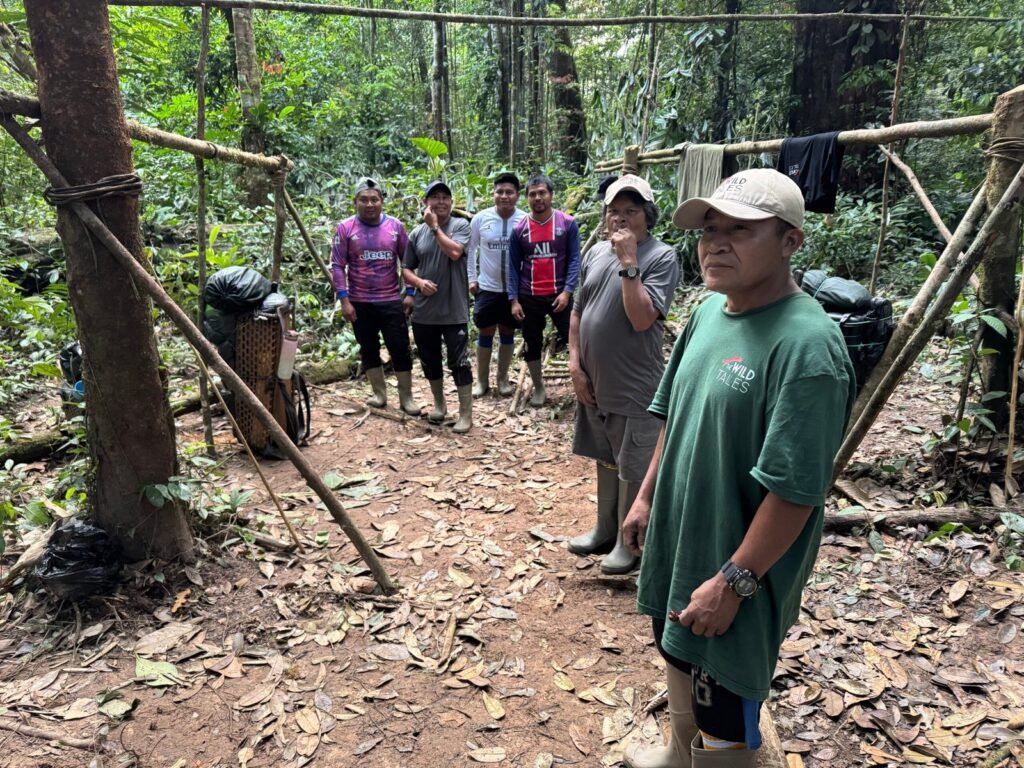
This course is taught with Makushi instructors from Surama who grew up with these forest skills and learned them from parents, grandparents, hunters, farmers, and elders.
Wilderness EMT Support

Wilderness EMT Support

The course is remote, but not careless. It is supported by experienced expedition leaders, wilderness medical capability, satellite communication, and structured safety systems.
Optional Solo Phase

Optional Solo Phase

The standard course includes 3-days solo in the rainforest. Guests wanting a additional days can extend to a 5-day solo phase on the 15-day version. This will be offered after course is confirmed.
Equipment Included

Equipment Included

Core jungle equipment is provided, including hammock, tarp, machete, rucksack, hydration system, and group safety gear. You arrive with personal clothing and essentials; we provide the jungle kit.
Community Supported

Community Supported

Operated in full partnership with Surama Village and Eco lodge, the course supports local employment, cultural knowledge, community benefit, and Indigenous-led tourism in North Rupununi.

Highlights

A glimpse into the landscapes, challenges, and breakthroughs that define our survival courses.

Indigenous Instructors

Learn directly from Makushi instructors whose forest knowledge has been carried through generations and is still used in real rainforest life.

Solo Phase

Spend multiple days alone or as a small group in the jungle, applying your training, managing your shelter, fire, water, food, mindset, and daily routine.

Wildlife in the jungle

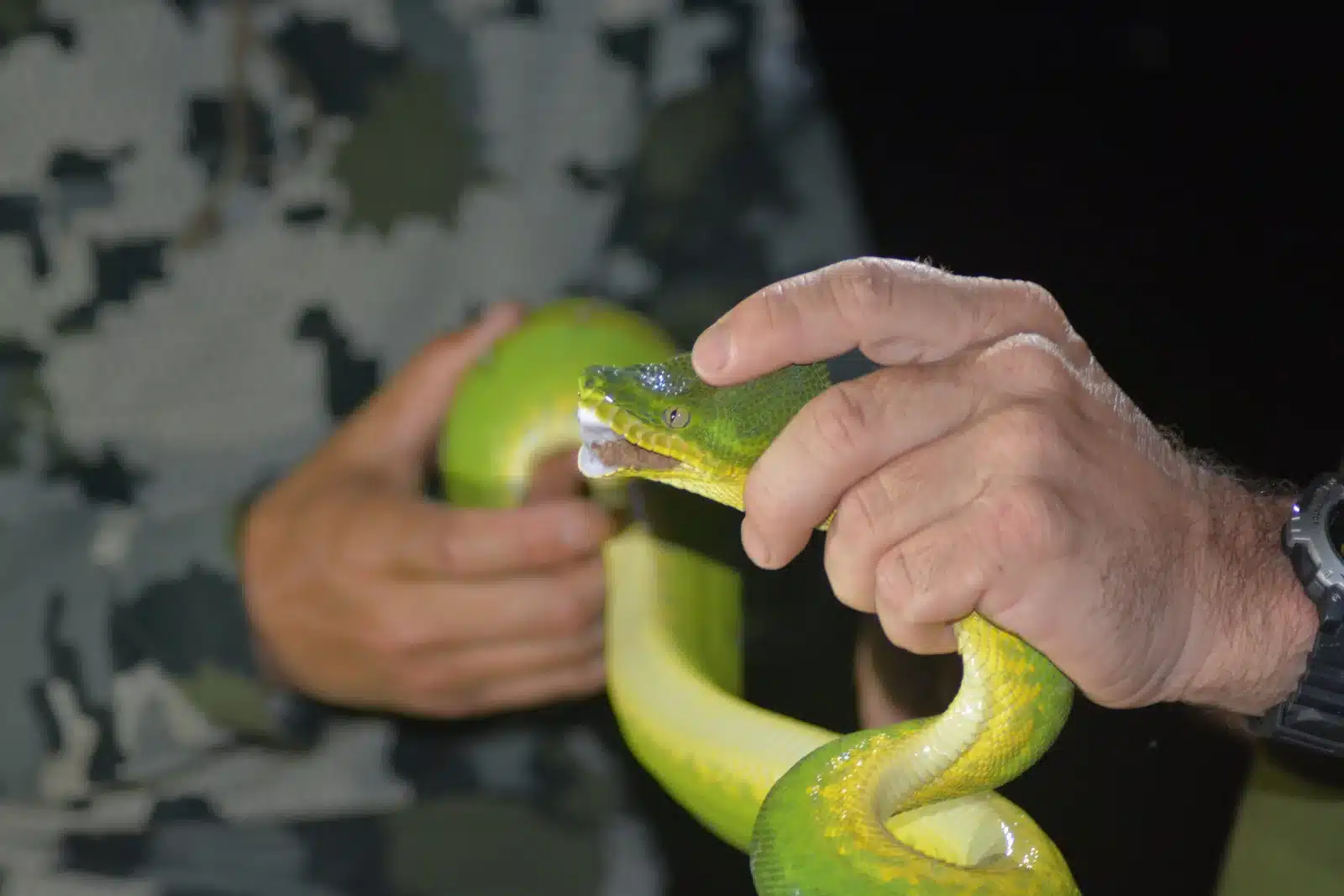
Travel through rainforest and river systems where giant otters, snakes, caiman, macaws, monkeys, and other wildlife are part of the experience.

Extended Solo Option

Upgrade to the 15-day version and spend five days alone in the rainforest for a longer, deeper, and more demanding survival challenge.

“This course has always been about more than testing limits. The jungle has a way of slowing people down and showing them what they are capable of when life becomes simple: shelter, fire, water, food, patience, and mindset. We prepare you step by step with instructors who know this forest deeply, and when the solo phase begins, it is not about being left behind. It is about being trusted with the skills you have built and discovering confidence in a place most people will only ever dream of sitting alone.”

Anders Andersen

Lead Instructor

What's included

From first inquiry to first night in the jungle, we prepare you for everything so the wild can teach you the rest.

Included

  • 11 days / 10 nights accommodation
  • 27 meals during the course
  • Domestic flights with 25lb luggage allowance
  • Boat and overland transfers to the jungle
  • Indigenous Makushi survival instructors
  • Wilderness EMT support throughout
  • The Wild Tales expedition leadership team
  • Hammock, tarp, machete, rucksack, hydration system, and group safety gear
  • Village fees and community contributions
  • Emergency satellite communication
  • Full survival training and supervised solo phase

Not IncludeD

  • International flights to and from Georgetown
  • Hotel in Georgetown day
  • Meals in Georgetown
  • Airport taxis in Georgetown
  • Alcohol and personal expenses
  • Excess luggage for domestic flights
  • Tips for guides (paid collectively, shared equally)
  • Personal travel insurance (required in advance)
  • Medical clearance cost (if required)
  • Malaria prophylaxis (consult your doctor)
  • Optional 5-day solo extension
  • Anything not listed as included

What to Bring

  • Jungle boots or long boots
  • Sturdy outdoor clothes
  • Knife or multitool
  • Work gloves
  • Face net
  • Personal medications and prescriptions
  • Power headtorch
  • Full packing list sent on booking

Get all the information about this ADVENTURE including:

They Walked In Uncertain. They Walked Out Unstoppable.

Hear from our survivors
Views Combined
0 M
Our participants’ stories inspire millions
Average Rating
0 .9
From verified participants
Transformed Lives
0 +
Since 2014, across all expeditions

Follow Our Adventures

See real trips, real wildlife, and life on the ground in Guyana.

DETAILS

Everything you need to know 
before booking your adventure
Day 1

Arrive in Georgetown and transfer to your hotel. Meet your expedition leader and fellow participants for a pre-departure briefing covering the course structure, safety systems, equipment, and expectations.

Day 2

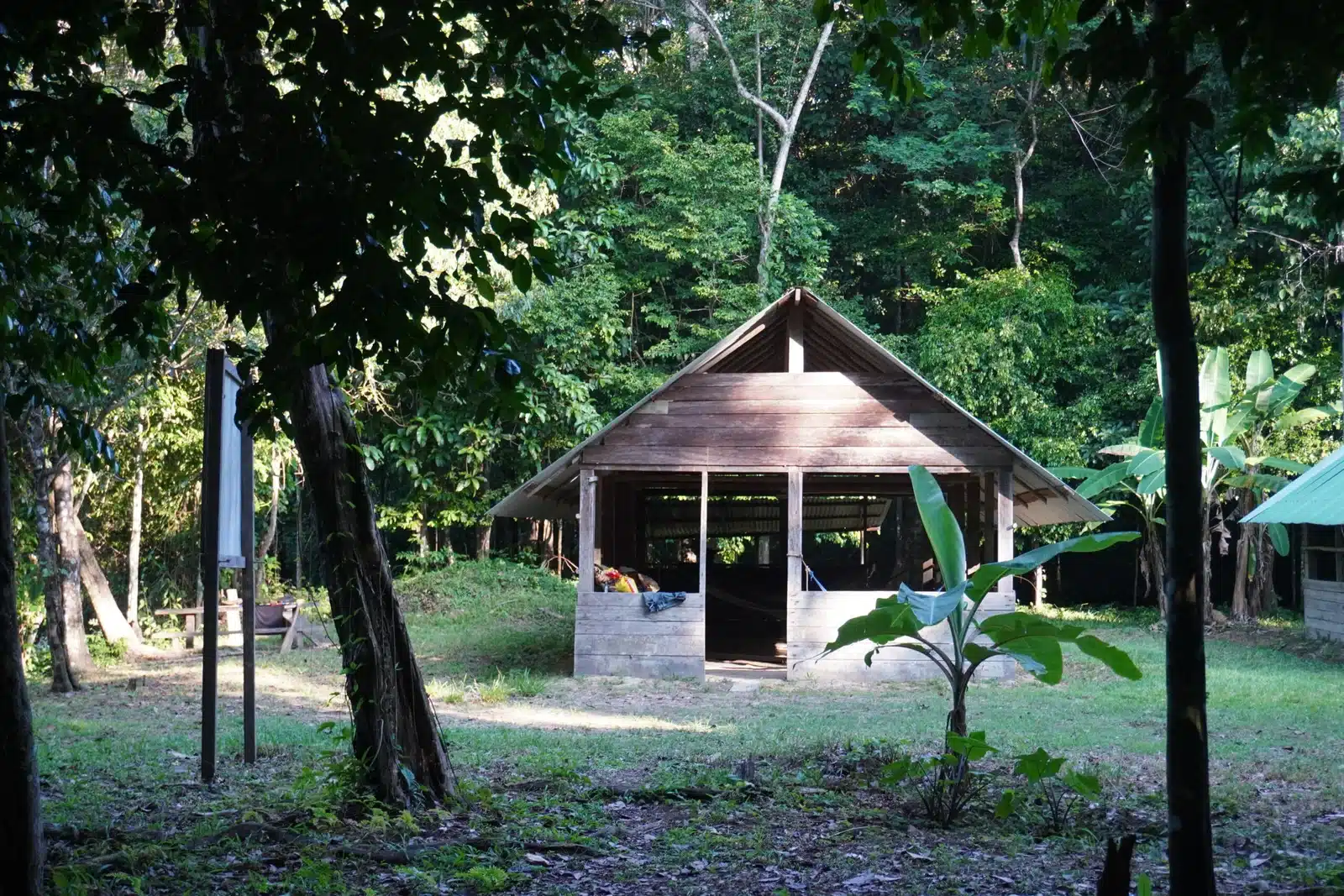
Take an early domestic flight to Lethem followed by overland transfer to Surama Eco Lodge. Meet the Makushi instructors, settle in, and prepare for the jungle phase.

Days 3–6

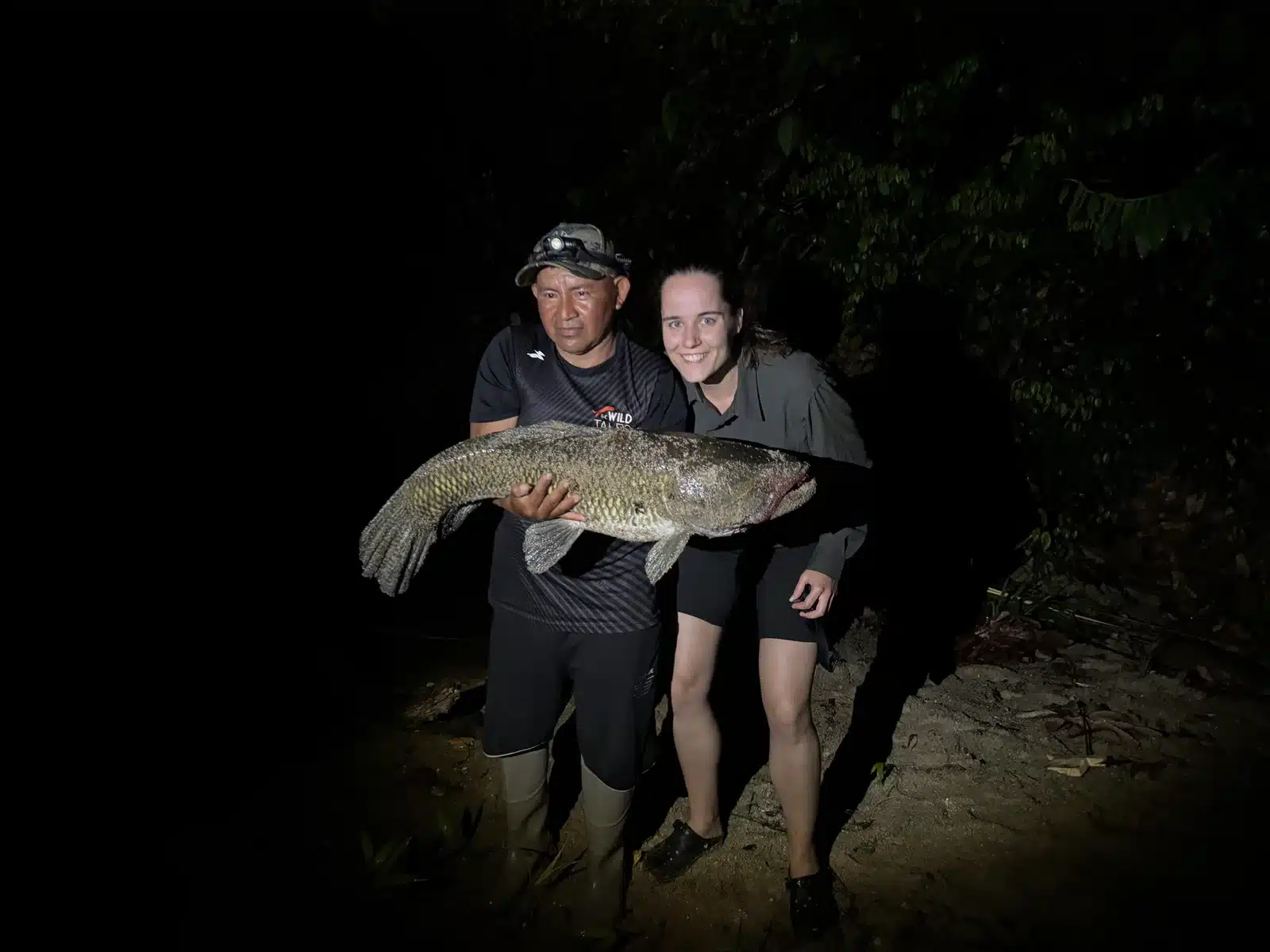
Begin jungle survival training near the Burro Burro River. Learn shelter building, hammock and tarp setup, fire-lighting, water sourcing, machete use, fishing, camp hygiene, and jungle safety.

Days 7–8

Move deeper into the forest and river system. Set up remote camps, practise more advanced skills, and prepare mentally and practically for the solo survival phase.

Days 9–10

Enter the solo phase. Spend 72 hours alone in the rainforest, applying your training and managing your own shelter, water, fire, food, safety, and mindset.

Extended Option: Guests choosing the 15-day version continue the solo phase for 5 days / 4 nights before extraction.

Day 11

Extraction and return to Surama. Rest, clean equipment, debrief with instructors, share stories, and enjoy a proper meal after the solo phase.

Day 12

Return to Georgetown by overland transfer and domestic flight. Final evening in the capital and time to reflect on the journey.

Day 13

Departure from Guyana or onward travel.

For the extended 15-day version, return to Georgetown and departure are adjusted according to the longer solo phase.

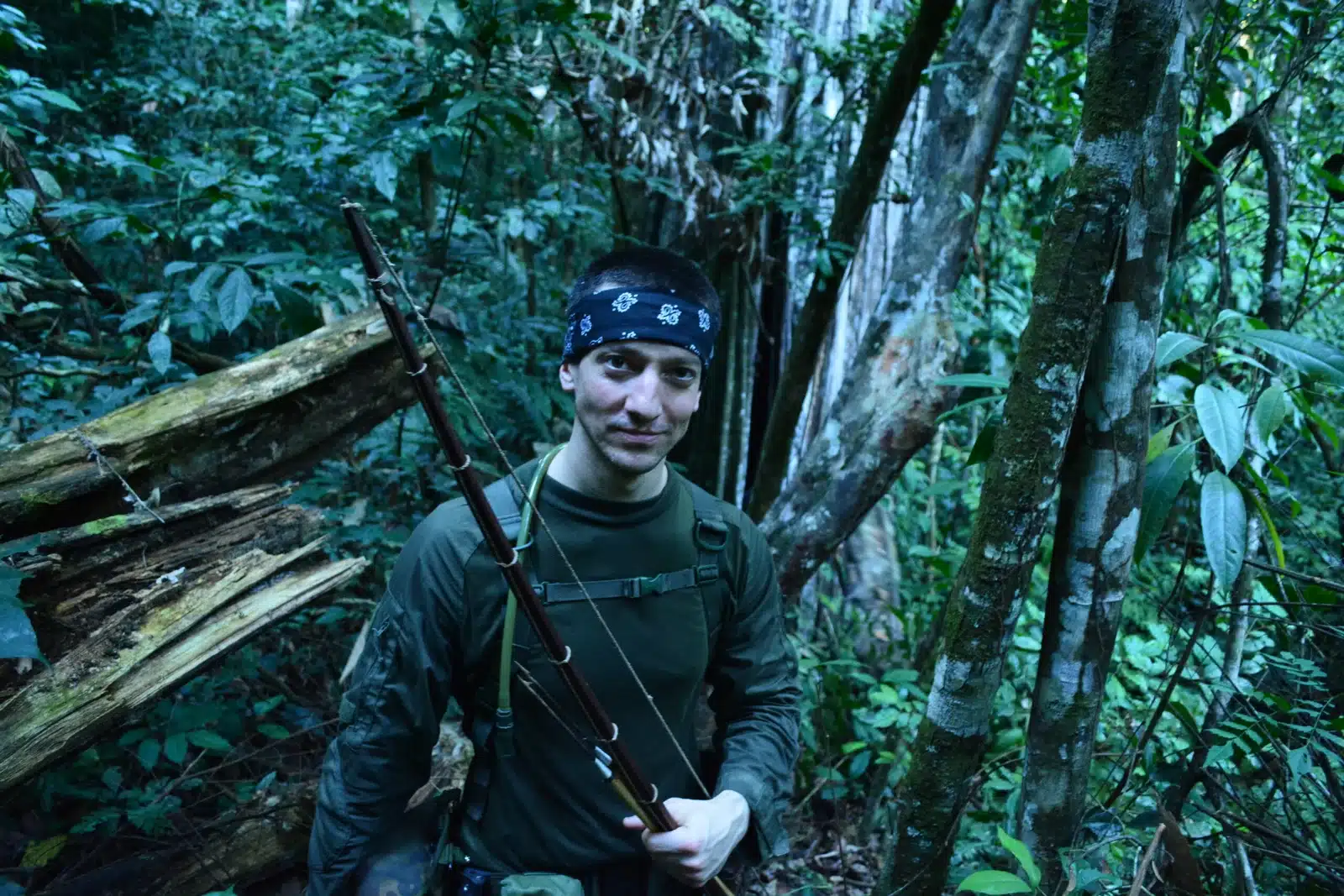
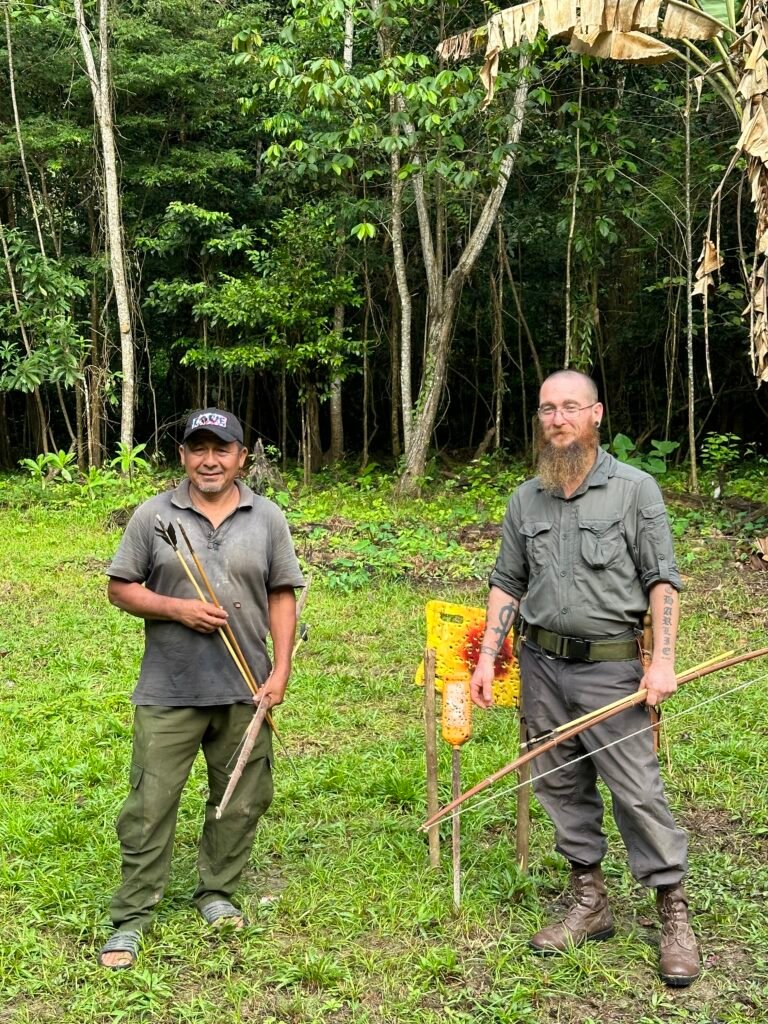
Shelter building, hammock and tarp setup, fire-lighting, water sourcing and treatment, machete safety, fishing, hand lines, bow-and-arrow use, camp hygiene, basic navigation, jungle movement, resource identification, natural materials, emergency routines, solo camp management, and mental resilience. You will also learn how to think in the rainforest: how to slow down, observe, conserve energy, manage discomfort, solve simple problems properly, and make decisions without panic.
he course starts and ends in Georgetown, Guyana. Guests should arrive in time for the Day 1 briefing and should not book international departure flights too tightly around the final course day. Domestic flights into the Rupununi are included with a 25 lb luggage allowance. Excess luggage is limited and may incur additional cost, so packing light is important. The rainforest is hot, humid, wet, and physically demanding. Dry season usually offers easier travel and more predictable conditions, while the wet season can be muddier, greener, and more challenging. Both seasons offer a real jungle experience. All participants must have valid personal travel insurance before joining. A full packing list and preparation guidance are sent after booking.

Frequently asked questions

Everything you need to know 
before booking your adventure

Everything you need to know 
before booking your adventure

Everything you need to know 
before booking your adventure

Everything you need to know 
before booking your adventure

Everything you need to know 
before booking your adventure

No. While many participants choose to complete the survival phase alone, you do not have to do it solo.
You can choose to complete the phase together with a partner or friend you are travelling with. In some circumstances, participants who meet during the course may also decide that they would prefer to complete the survival phase together.
The objective is to put what you have learned into practice and experience genuine self-reliance in the rainforest. Whether you choose to do that alone or as part of a small team is ultimately a personal decision.

Spending several days independently in the rainforest naturally involves risk, and we don’t pretend otherwise. However, the survival phase only takes place after participants have completed their training and preparation with our instructors and indigenous guides.
Before starting, you will establish your shelter, understand your location and boundaries, and be briefed on emergency procedures and communication with the safety team.
The objective is to challenge you while maintaining a carefully planned safety structure in the background.

During the survival phase, our safety team establishes a separate base within the wider area. Depending on the location and terrain, this is typically around 200 metres to 2 kilometres away.
Emergency procedures and communications are established before the phase begins, and the team remains close enough to respond if assistance is genuinely required.

Yes. Our standard survival phase is 3 days / 2 nights, but participants can choose to extend this to 5 days / 4 nights for an even deeper survival experience.
The extended option comes at an additional cost, which depends on how many participants on the course choose the 5-day option. This is because extending the survival phase also requires additional days of safety support, guides and logistics in the jungle.
If you are interested in the 5-day / 4-night survival phase, let us know when booking. We can confirm the additional cost once we know how many participants are opting for the extension.

We provide a considerable amount of the specialist equipment required for the course. Depending on the individual program, this can include hammocks, tarps, rucksacks, dry bags, machetes, ferrocerium rods, fishing equipment, and other jungle-specific gear.
This means you don’t need to purchase an entire survival setup before travelling to Guyana.
You will receive a detailed equipment list before the course explaining exactly what we provide and what personal clothing and equipment you need to bring.

During the training portion of most of our Jungle Survival Courses, we operate a small generator at the main camp, allowing limited charging of phones, cameras, power banks, and other small electronics.
There is no electricity during the survival phase, so anything you take with you will need to operate independently for the duration with own power banks.
Electricity in the jungle should always be considered a limited resource rather than something that is continuously available.

People join us from all over the world and from a wide range of backgrounds. We have welcomed both men and women, experienced outdoorspeople and participants arriving with no previous survival experience.
You do not need to be a survival expert or exceptionally fit. The training is designed to teach you the skills you need before you are expected to put them into practice.
What matters much more is being prepared to learn, spend your days outside, adapt to an unfamiliar environment and challenge yourself when things become uncomfortable.

Yes. In addition to our scheduled courses, we can arrange private jungle survival experiences for individuals, groups, organizations, and corporate teams.
A private program gives us greater flexibility to adjust the duration, training content, difficulty, and survival phase around the objectives of your group.
Contact us with an idea of your group size, available dates and what you want from the experience, and we can discuss what is possible.

No. You do not need any previous survival or jungle experience to join our Jungle Survival Courses.
Previous outdoor knowledge can certainly be helpful, but the course is designed to teach you the skills you need before you enter the survival phase. You will learn and practice everything from shelter and fire to fishing, food, water, and living safely in the rainforest alongside our instructors and indigenous guides.
What matters more than previous experience is your willingness to learn, practice, and adapt. By the time you begin the survival phase, the objective is for you to have the knowledge and practical skills needed to put what you have learned into practice independently.

You might like this

Visitors who loved this survival course also loved these:

Mountain Jungle Survival Course in Guyana
Available
Challenging

Mountain Jungle Survival Course in Guyana

A hard 7-day mountain jungle survival course in the Pakaraima Mountains of Guyana, taught with Patamona forest guides from Kopinang. Train at the foot of Wokomung Tepui in steep rainforest terrain where food is scarcer, movement is harder, and survival demands precision.

7 Days
8-10 Persons
Upcoming Date: 20 JUL - 28 JUL 2027
Jungle Survival Experience
Available on Request
Easy

Jungle Survival Experience

A relaxed, hands-on introduction to jungle survival in Guyana, based at Rock Landing near Surama Village. Learn traditional rainforest skills with Makushi instructors, sleep in a jungle camp, and experience the forest at a pace suitable for beginners, families, couples, and private groups.

6 Days
8-10 Persons
Upcoming Date: REQUEST A CUSTOM DATE

Need Help Choosing the Right Experience?

Our team knows these jungles inside and out. We’re happy to help you find the perfect adventure based on your interests, fitness level, and timeframe. Every journey is unique—let’s craft yours together.

We typically respond within 2-4 hours (Georgetown time: GMT-4)

Get all the information about this ADVENTURE including:

Your itinerary is ready!

Enter your email below and we’ll send your full trip itinerary straight to your inbox.

Request the Trip Itinerary - Jungle Survival

To request more information about this trip, fill in the form below and we will send you a PDF version. We look forward to hearing from you.

This field is for validation purposes and should be left unchanged.
First Name(Required)
Newsletter