
Home Expeditions Wai Wai & Kanashen Amazon Expedition

Wai Wai & Kanashen Amazon Expedition

Twenty days into the deep south of Guyana by old army truck, dugout canoe, and on foot. A cultural and wilderness expedition to Masakenari, one of the most remote Indigenous communities in South America, operated in direct partnership with the Wai Wai people.

5

Rating (50+ Reviews)

20 Days / 19 Nights

20 Days / 19 Nights

Duration
8–10 Participants

8–10 Participants

Group Size
Moderate

Moderate

Difficulty
Sep - Mar

Sep - Mar

Best Season
Georgetown

Georgetown

Start Point

You don’t visit Masakenari. You travel the way the Wai Wai travel to get there.

The Wai Wai & Kanashen Amazon Expedition is a twenty-day journey from Georgetown to Masakenari Village, deep inside the Kanashen Protected Area in Guyana’s far south. This is one of the most remote journeys we offer: long overland travel, river systems, dugout canoes, jungle camps, village life, and days spent moving through country that very few visitors ever reach.

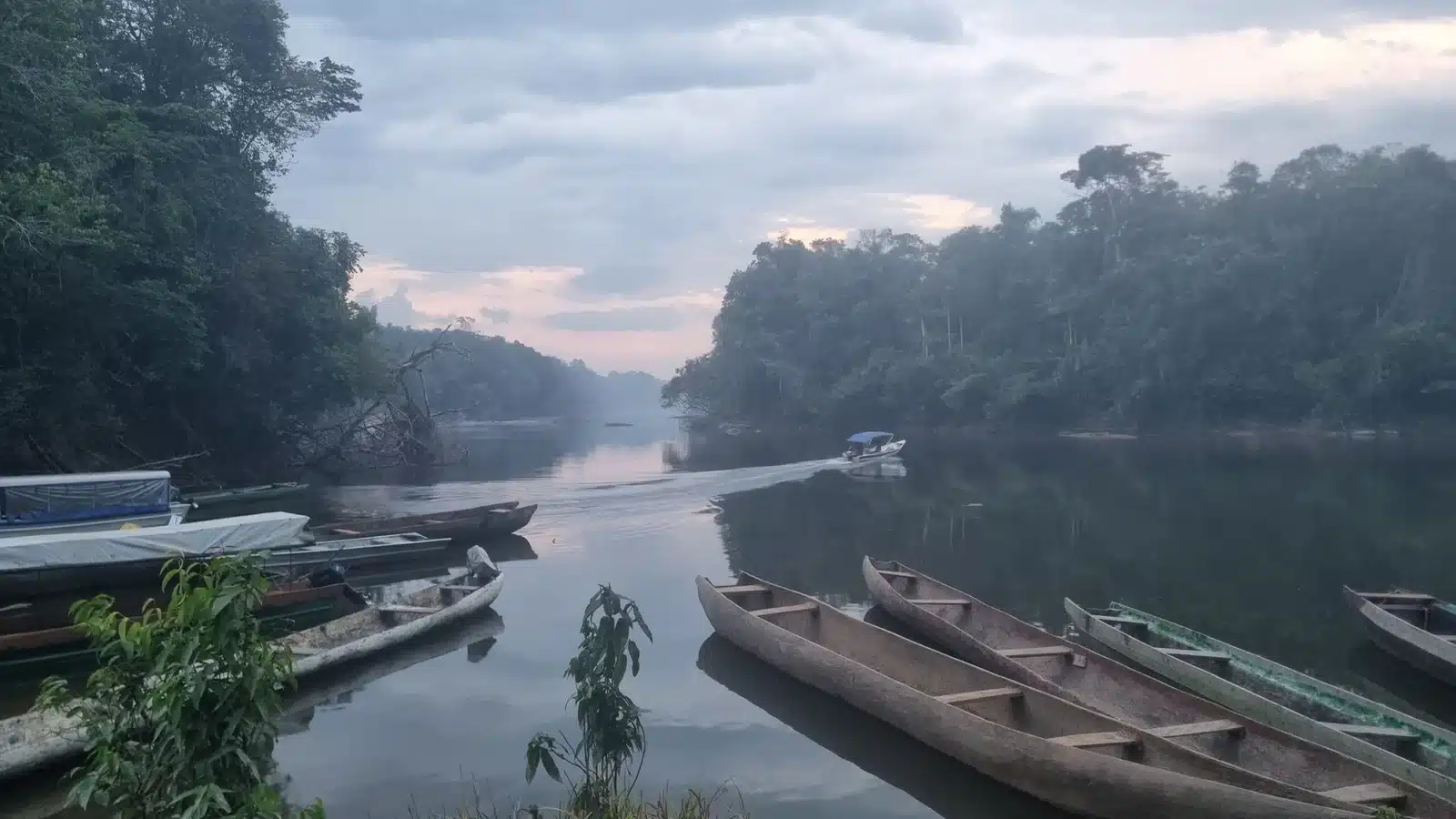
The expedition begins with a flight south to Lethem before the team loads vehicles and continues across open savannah, remote tracks, and forest roads toward Parabara. From there, the journey becomes dependent on season, river level, access, and local conditions. Some sections may be completed by old army truck, others by dugout canoe through narrow river systems. There is no polished version of this route. The travel itself is the expedition.

For several days, you move deeper into the forest, camping on riverbanks, cooking over open fire, washing in the river, and settling into the rhythm of expedition life. Scarlet macaws cross overhead, giant otters may fish beside the boats, and tracks along the mud remind you that this is still wild country.

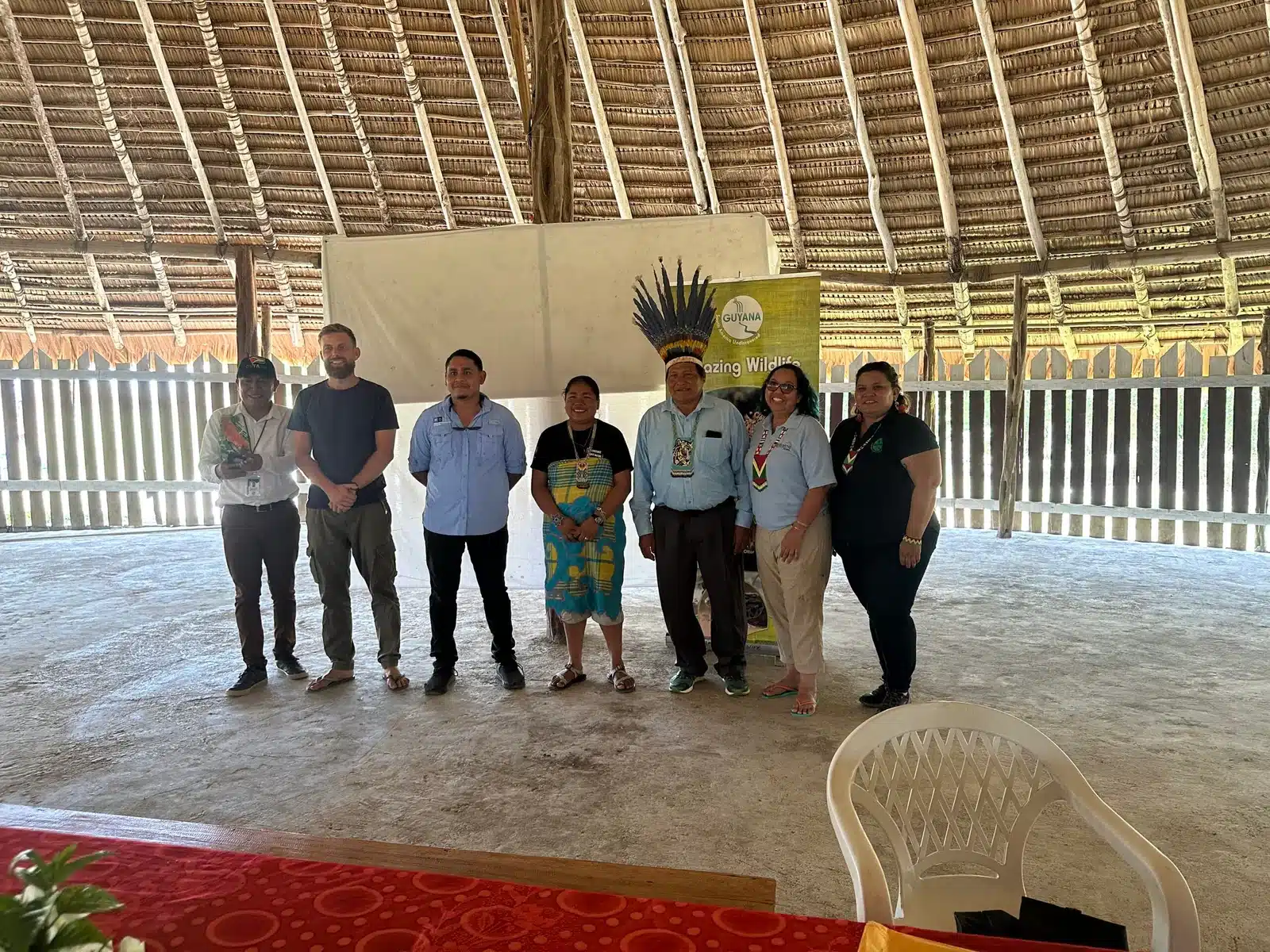
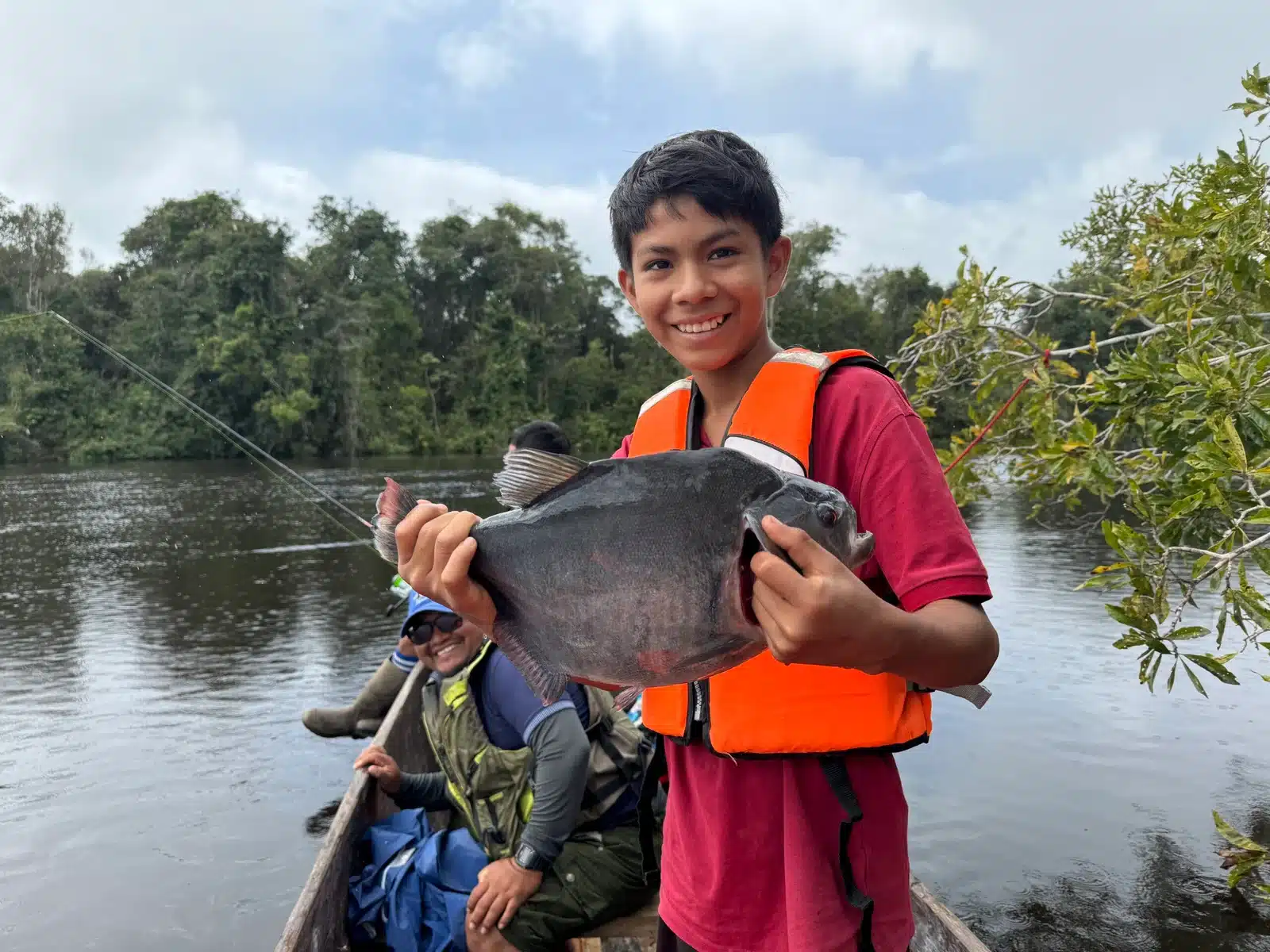
At Masakenari, you spend time with the Wai Wai community, learning about forest farms, traditional fishing, bow-making, and daily life in one of Guyana’s most culturally distinct Indigenous villages. This is not a staged cultural show. It is a rare visit built on partnership, respect, and the fact that you have travelled the same routes the community uses themselves.

The return journey retraces the forest and river systems back toward the Rupununi. By the time you step back into Lethem and eventually Georgetown, you will have crossed one of the least-visited corners of Guyana — and understood why the journey to get there is what makes it unforgettable.

Secure your spot

Join the next expedition

Pick a departure below. A 50% deposit reserves your place — the rest is settled by bank transfer before you fly. Prices are per person, all-inclusive in country, and can differ by season.

Upcoming departuresPrices in USD · per person
Oct 1 – Oct 20, 202620 days
Available
$6,850USD
All prices exclude international flights.
50% deposit to reserveBank transferBalance before departure
Questions first? Book a 30-min call with Anders, our lead instructor.
Secure bookingReply within 24 hoursGroup rates on request

What sets this apart

Six reasons this expedition earns its name.

Indigenous Partnership

Indigenous Partnership

This expedition is operated in direct partnership with the Wai Wai community of Masakenari inside the Kanashen Protected Area. Your guides, hosts, and support team are Wai Wai. The journey exists because the community chooses to open it.

Cultural Immersion

Three days living alongside Masakenari Village, visiting forest farms, learning traditional fishing and bow-making, hearing stories from community elders. This isn't observation from a distance. You participate because they invite you to.

The Journey Is the Point

Six days in, six days out. Army trucks through savannah, dugout canoes through river systems, jungle camps every night. You travel the same way the Wai Wai travel — because there is no other way to reach Masakenari.

Kanashen Protected Area

The expedition operates inside one of the largest community-owned conservation areas in the world. The Wai Wai manage this territory themselves. You're not visiting a national park, you're a guest on land governed by the people who live to protect it.

Moderate Difficulty

Long travel days and basic camping conditions, but no extreme physical demands. This expedition asks for endurance and adaptability rather than peak fitness. If you can handle roads, river, and sleeping in a hammock, you can do this.

Travel like the Wai Wai

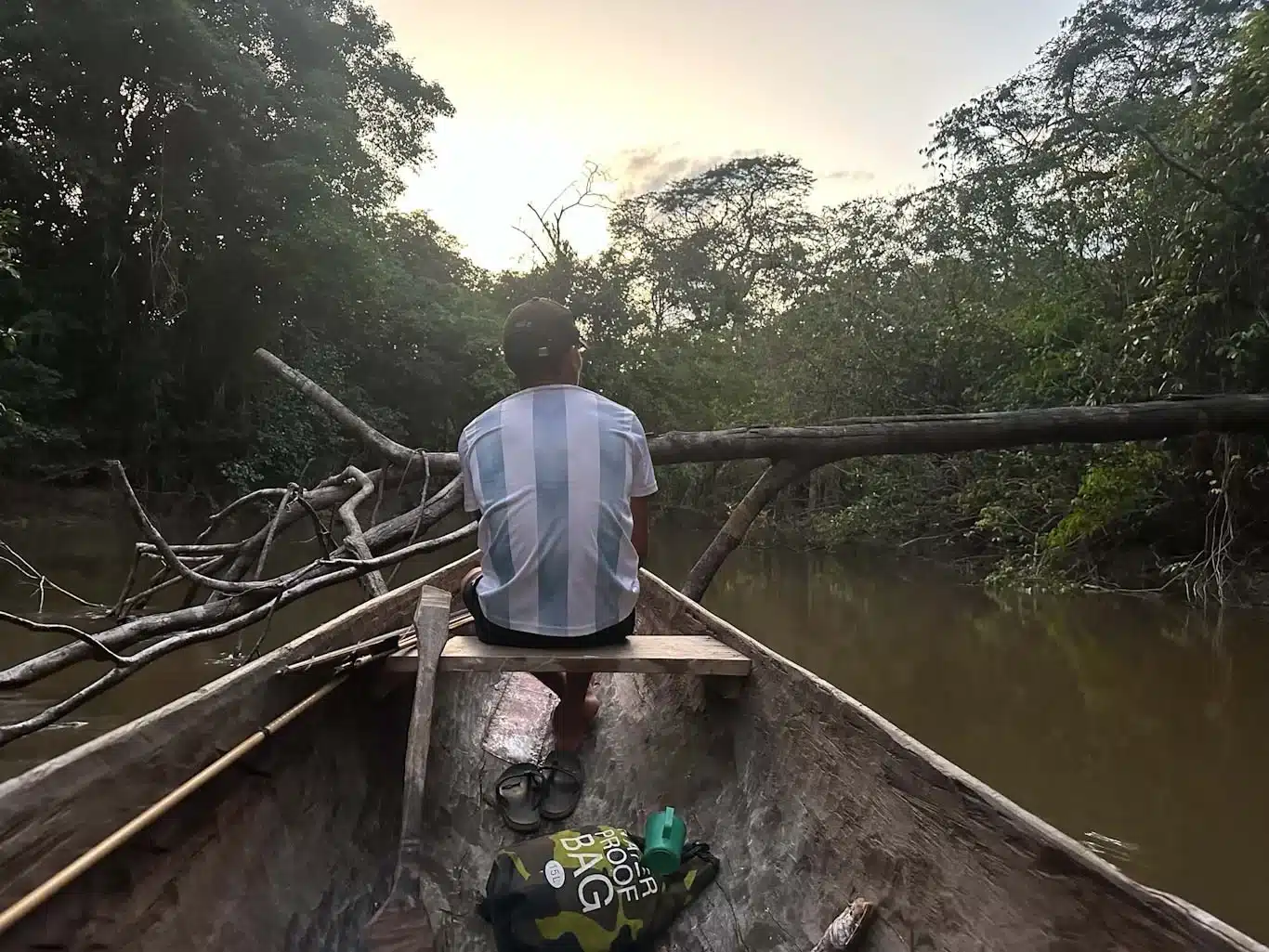
This journey follows the same practical routes the Wai Wai use themselves: old trucks through tracks, dugout canoes through river systems, and camps along the way. You earn your arrival by travelling the country that connect the outside world.

Highlights

A glimpse into the terrain, skills, and moments that define this course.

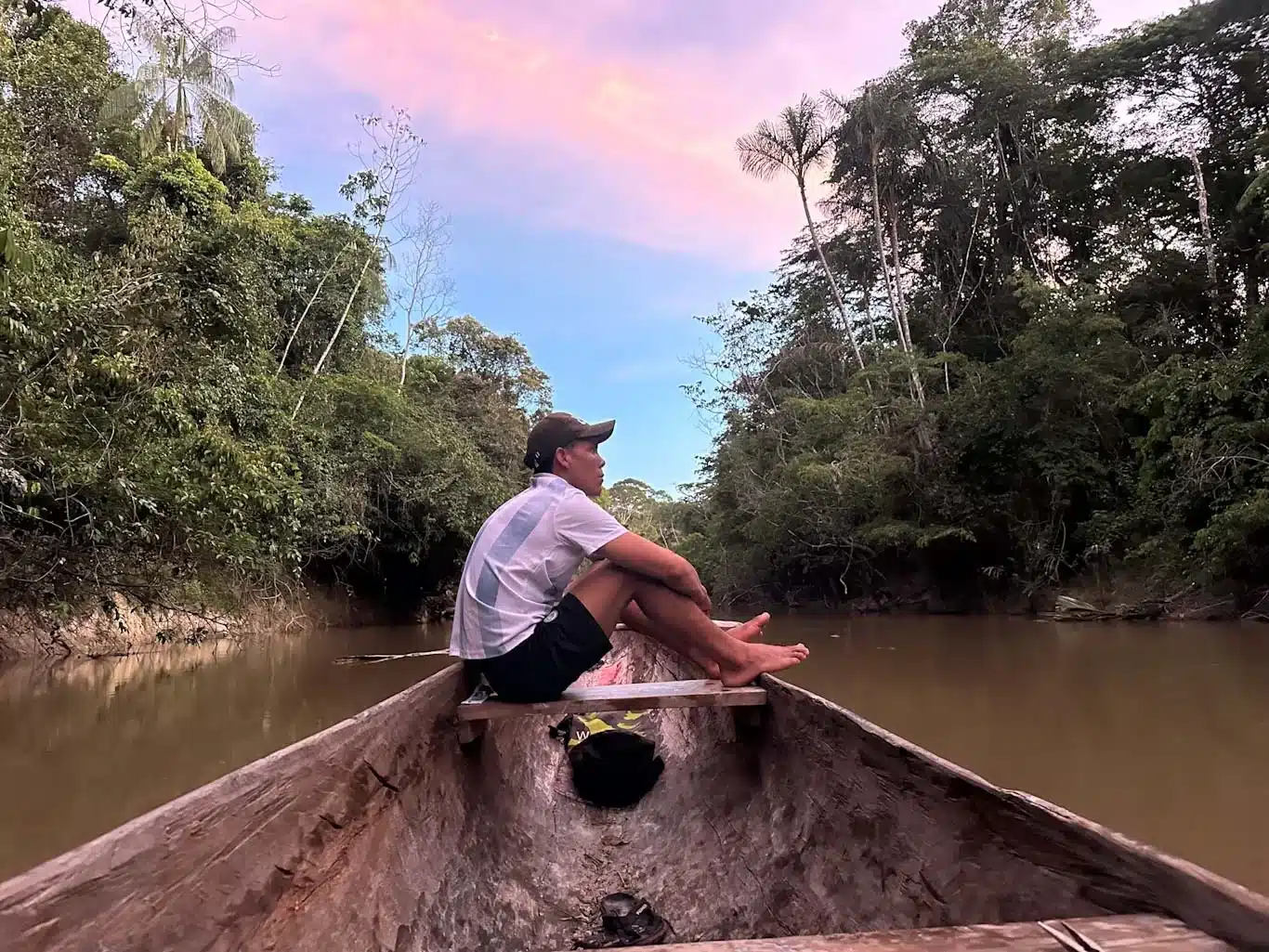
Dugout Canoes at Dawn

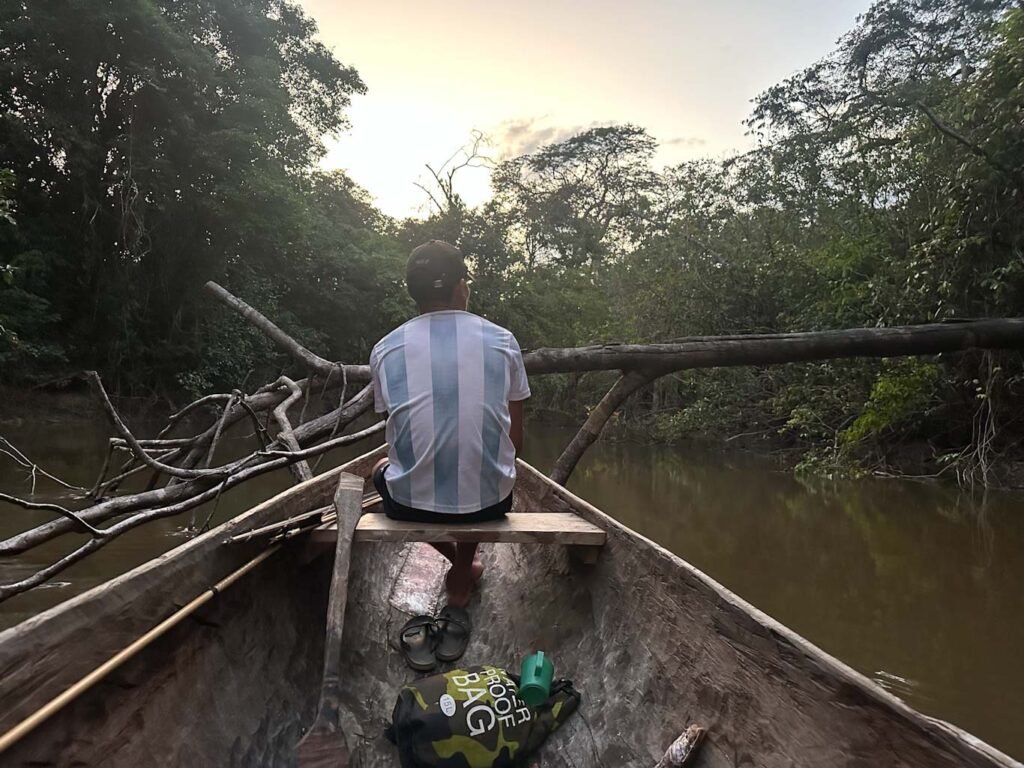
The river is glass at first light. Wai Wai guides read the current from the bow while macaws lift off the canopy in pairs above you. The outboard cuts and you drift. That silence is what the Amazon actually sounds like.

Arriving in Masakenari

Six days of travel to reach a village of 350 people. Children run to the riverbank. The Toshao welcomes you. You've crossed something most people only read about — and the Wai Wai already knew you were coming.

Wildlife Along The Route

Scarlet macaws, giant otters, caiman, river birds, and the possibility of jaguar tracks along the mud. Wildlife is not guaranteed, but the route passes through country where the forest is still intact.

Jungle Camp on the Return

Day 14 or 15. You've done this enough times that making camp feels automatic — hammock strung, fire built, clothes drying. The forest isn't intimidating anymore. It's just where you live now. That shift is the real souvenir.

“The Wai Wai expedition is not something you can recreate by flying into a lodge and staying for a few nights. The distance matters. The trucks, the river camps, the dugout canoes, the delays, the heat, the mud, all of it prepares you to understand where you are going. When you finally reach Masakenari, you don’t arrive as a tourist who has simply been delivered there. You arrive having travelled through the country that connects the Wai Wai people to the outside world. That changes the way you experience the village, the forest, and the people who welcome you.”

Anders Andersen

Expedition Leader and Owner

What's included

From first inquiry to first night in the jungle, we prepare you for everything so the wild can teach you the rest.

Included

  • All accommodation for 18 days / 17 nights
  • All meals under interior expedition
  • All river and overland transport (boats, trucks, domestic air)
  • Indigenous expedition guides
  • Wild Tales expedition leadership and logistics
  • Village fees, permits, and access permissions
  • Personal jungle kit (hammock, tarp, machete, rucksack, hydration system)
  • Group safety equipment (radios, satellite comms, ropes, first aid)

Not IncludeD

  • Hotels in Georgetown
  • International flights
  • Airport taxis
  • Alcohol and soft drinks
  • Alcoholic beverages
  • Excess luggage fees
  • Personal travel and medical insurance
  • Tips for guides and porters

What to Bring

  • Expedition-suitable clothing
  • Trekking footwear (broken in)
  • Insect protection (DEET-based)
  • Headlamp with spare batteries
  • Personal medication
  • Camera equipment
  • Full packing list sent on booking

Get all the information about this ADVENTURE including:

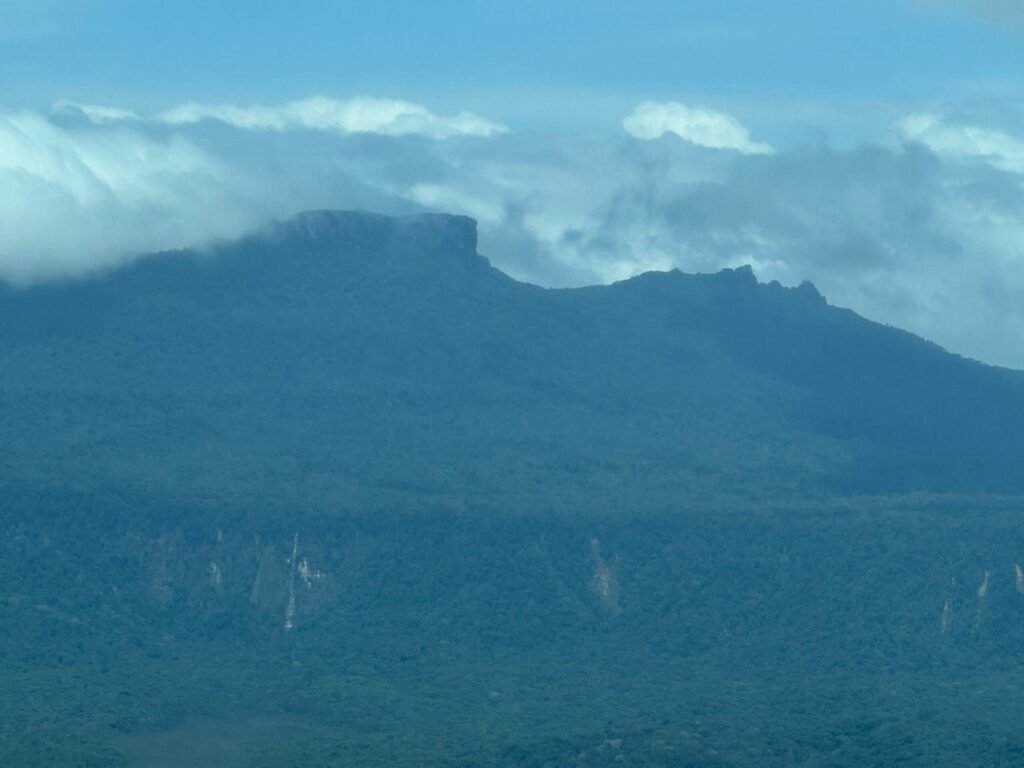
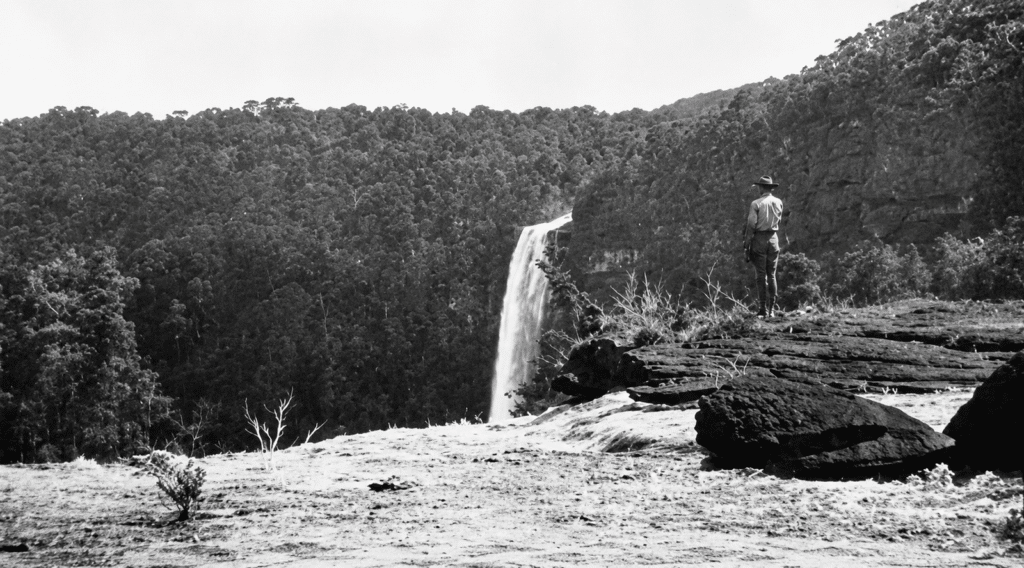
What you see travelling to Kanashen

Like nowhere else
Views Combined
0 M
Our participants’ stories inspire millions
Average Rating
0 .9
From verified participants
Transformed Lives
0 +
Since 2014, across all expeditions

Follow Our Adventures

See real trips, real wildlife, and life on the ground in Guyana.

DETAILS

Everything you need to know 
before booking your adventure
Day 1

Arrival in Georgetown
Arrive in Georgetown and transfer to the group hotel. Meet your expedition leader and fellow participants for a full briefing, kit check, and final preparation before travelling into the interior.

Day 2

Flight to the Interior
Fly south across Guyana’s rainforest to Lethem. After landing, the team organises equipment and loads supplies before beginning the overland journey by 4×4 or army truck toward the deep south.

Day 3

Parabara Village
Spend the day in Parabara, a remote southern Rupununi village near the edge of Wai Wai territory. This stop allows the group to rest, adjust, organise logistics, and prepare for the journey deeper into the forest.

Day 4-9

Into the Wilderness
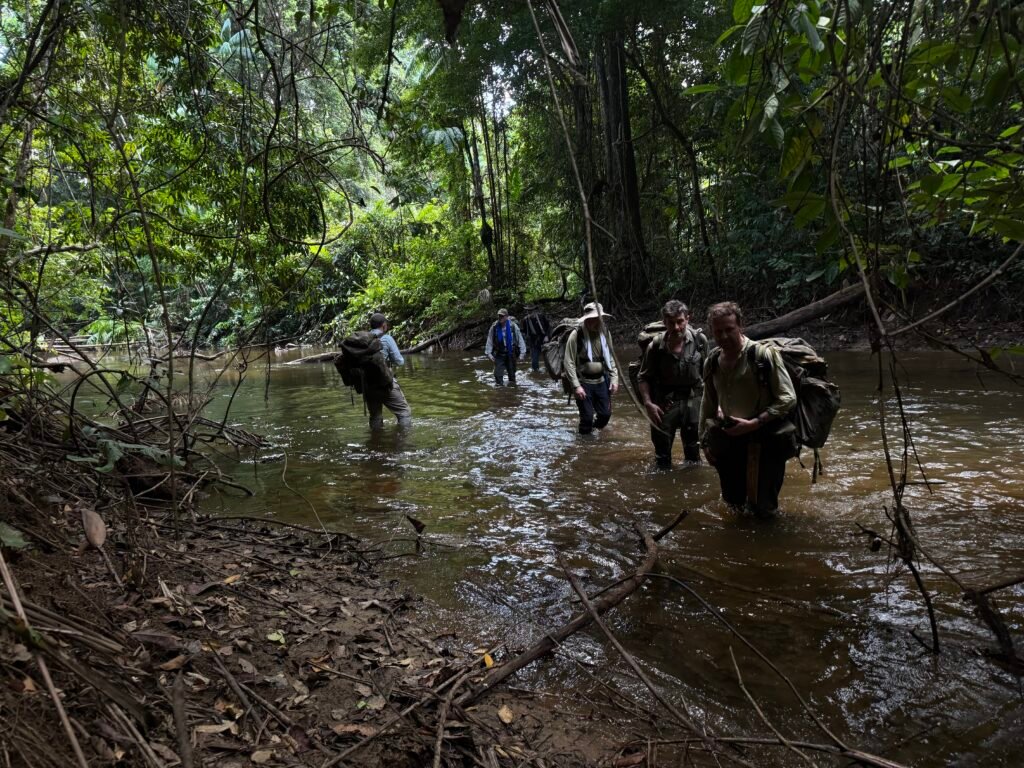
The main expedition phase begins. Depending on river levels and access conditions, the team travels by dugout canoe, truck, or a combination of both. Nights are spent in jungle camps or riverbank camps. Expect long travel days, open-fire cooking, river bathing, wildlife signs, and a growing sense of distance from the outside world.

Day 10-12

Masakenari Village & Wai Wai Community
Arrive in Masakenari, deep inside the Kanashen Protected Area. Spend several days with the Wai Wai community, visiting forest farms, learning bow-making and traditional fishing, observing daily life, and taking part in activities guided by the community.

Day 13-17

Return Through Forest And River
Begin the return journey through the same wilderness systems. As with all real expeditions, timing depends on river conditions, weather, and access. These days are often where the journey settles into its deepest rhythm — camp, river, fire, movement, repeat.

Day 18

Return To Georgetown
Fly back north to Georgetown. Final night in the capital and farewell evening with the group.

Day 20

Departure
Depart Guyana or continue onward travel.

This is not a formal survival course, but guests will experience the practical realities of expedition life: river travel, jungle camping, hammock systems, open-fire cooking, basic camp routines, dugout canoe travel, wildlife observation, cultural etiquette, traditional fishing, bow-making, and travelling as part of a small expedition team.
This expedition is moderate, not extreme. You do not need to be an athlete, but you must be prepared for long travel days, heat, humidity, basic camps, changing conditions, and the patience required for remote travel. River levels and access vary by season. The route may shift between vehicle and canoe depending on conditions, and flexibility is essential. This is part of what makes the expedition real. Valid travel insurance is mandatory. A full packing list and preparation guidance are provided after booking.

Frequently asked questions

Everything you need to know 
before booking your adventure

Everything you need to know 
before booking your adventure

Everything you need to know 
before booking your adventure

Everything you need to know 
before booking your adventure

Everything you need to know 
before booking your adventure

Yes. Our guests are part of the expedition team rather than passengers.
Exactly what this involves depends on the expedition, but you should expect to participate in everyday camp life. This can include setting up and breaking down camp, collecting firewood and water, helping with group equipment and contributing to the practical jobs required to keep the expedition moving.
Our guides and local team manage the expedition and the specialist work, but everyone contributes according to their ability.
For us, this is an important part of expedition travel. You are not simply watching an expedition take place around you; you are part of it.

Not necessarily. Many of our expeditions require no specialist technical training or previous expedition experience.
However, some expeditions are physically demanding and may involve long trekking days, difficult terrain, paddling, carrying equipment or extended periods in remote environments. A smaller number may have specific experience or physical requirements.
Every expedition is different, which is why we provide a difficulty level and explain the physical requirements on the individual expedition page.
If you are uncertain about your experience or fitness, contact us. We can give you a realistic assessment of whether a particular expedition is suitable for you.

For much of an expedition, the rainforest becomes our home.
We primarily sleep in hammocks beneath tarps, either in individual camps or shared expedition camps depending on the journey. Some itineraries also include nights in indigenous communities, lodges or other simple accommodation along the route.
Meals are prepared in camp, water is collected locally and treated where necessary, and daily life revolves around travelling, establishing camp, cooking, maintaining equipment and preparing for the next stage of the journey.
It is a simple way of living, but one that quickly becomes part of the expedition experience.

Yes. Our expeditions are not luxury tours.
Depending on the itinerary, you should be comfortable sleeping in hammocks, bathing in rivers and creeks, using basic forest toilets, getting wet and muddy, and living without many of the conveniences you have at home.
That doesn’t mean we deliberately make things uncomfortable. We establish functional camps, eat properly and carry the equipment needed to operate effectively in the jungle. But when you travel into genuinely remote areas, simplicity is part of the experience.
A willingness to adapt is often more important than previous expedition experience.

Our expeditions take many different forms depending on the objective and the area we are trying to reach.
Some involve multi-day overland journeys through rainforest and mountains, while others travel deep into the interior by river, canoe, 4×4 or a combination of different forms of transport. Objectives can range from reaching remote waterfalls and mountains to exploring little-visited river systems, indigenous territories and areas of historical or archaeological interest.
What they share is that these are genuine journeys into remote Guyana. The route, logistics and challenges of reaching the destination are an important part of the expedition itself.

Yes. We provide a significant amount of the specialist equipment needed for our expeditions.
Depending on the journey, this can include hammocks, tarps, rucksacks, dry bags, machetes and other group and expedition equipment. This means you do not need to purchase an entire expedition setup before joining us.
You will receive a detailed equipment list for your particular expedition explaining exactly what we supply and what you need to bring personally.
If you already own equipment you particularly like using, you are welcome to discuss bringing it with us. We can advise whether it is suitable for the conditions in Guyana.

You might like this

Explorers who booked this expedition also looked at these:

Wokomung Tepui Expedition
Available
Challenging

Wokomung Tepui Expedition

A 14-day Indigenous-led expedition into the Pakaraima Mountains to attempt the ascent of Wokomung Tepui. Fly into Kopinang, move through primary rainforest, carry your own expedition load, and enter one of Guyana’s most remote mountain environments with Patamona guides.

14 Days
8-10 Persons
Upcoming Date: 17 APR - 30 APR 2027
Kanuku Mountains & Rupununi Wildlife Expedition
Available on Request
Challenging

Kanuku Mountains & Rupununi Wildlife Expedition

Thirteen days through jungle, mountain, river, and savanna in one of Guyana’s most diverse wilderness regions. Trek the Kanuku Mountains, stay at Mapari Wilderness Camp, join wildlife activities at Caiman House, and travel through the landscapes once linked to the legend of El Dorado.

13 Days
8-10 Persons
Upcoming Date: REQUEST A CUSTOM DATE
King Edward VIII Falls Expedition
Available
Challenging

King Edward VIII Falls Expedition

A 17-day exploratory expedition into the Pakaraima Mountains by jet boat, river craft, and on foot. King Edward VIII Falls is only the beginning, this route continues deeper toward remote objectives revealed to confirmed expedition members.

17 Days
8-10 Persons
Upcoming Date: 27 NOV - 13 DEC 2026

Need Help Choosing the Right Experience?

Our team knows these jungles inside and out. We’re happy to help you find the perfect adventure based on your interests, fitness level, and timeframe. Every journey is unique—let’s craft yours together.

We typically respond within 2-4 hours (Georgetown time: GMT-4)

Get all the information about this ADVENTURE including:

Your itinerary is ready!

Enter your email below and we’ll send your full trip itinerary straight to your inbox.

Request the Trip Itinerary - Wai Wai Remote tribe expedition

To request more information about this trip, fill in the form below and we will send you a PDF version. We look forward to hearing from you.

This field is for validation purposes and should be left unchanged.
First Name(Required)
Newsletter