



Watamung Mountain Expedition
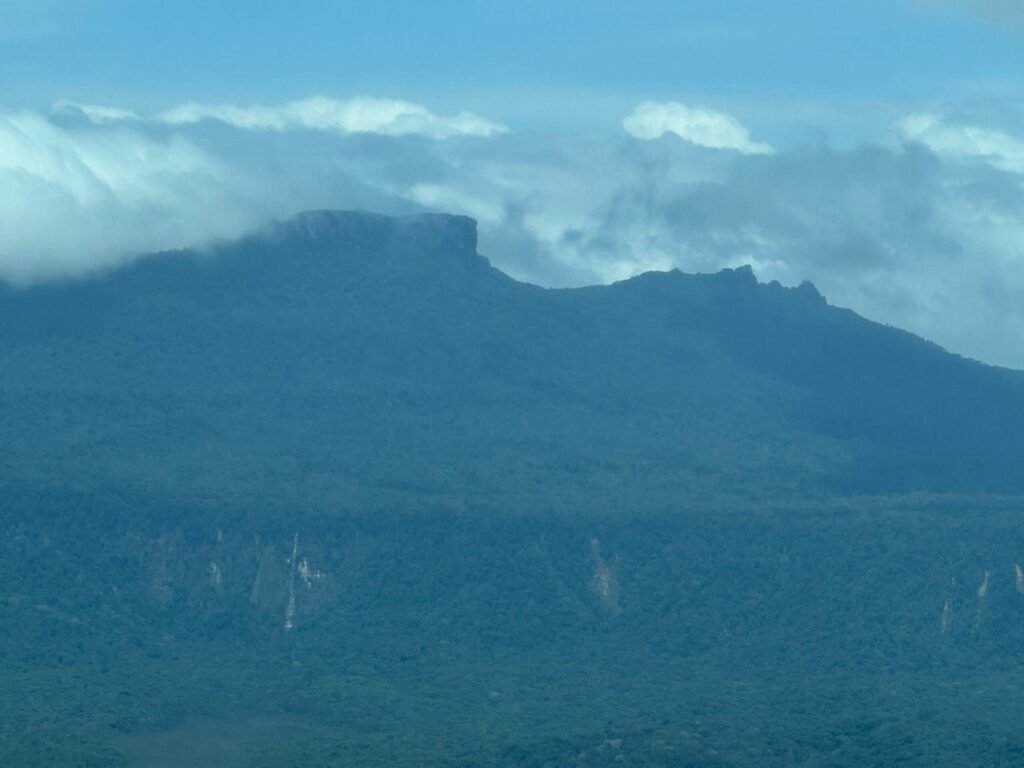
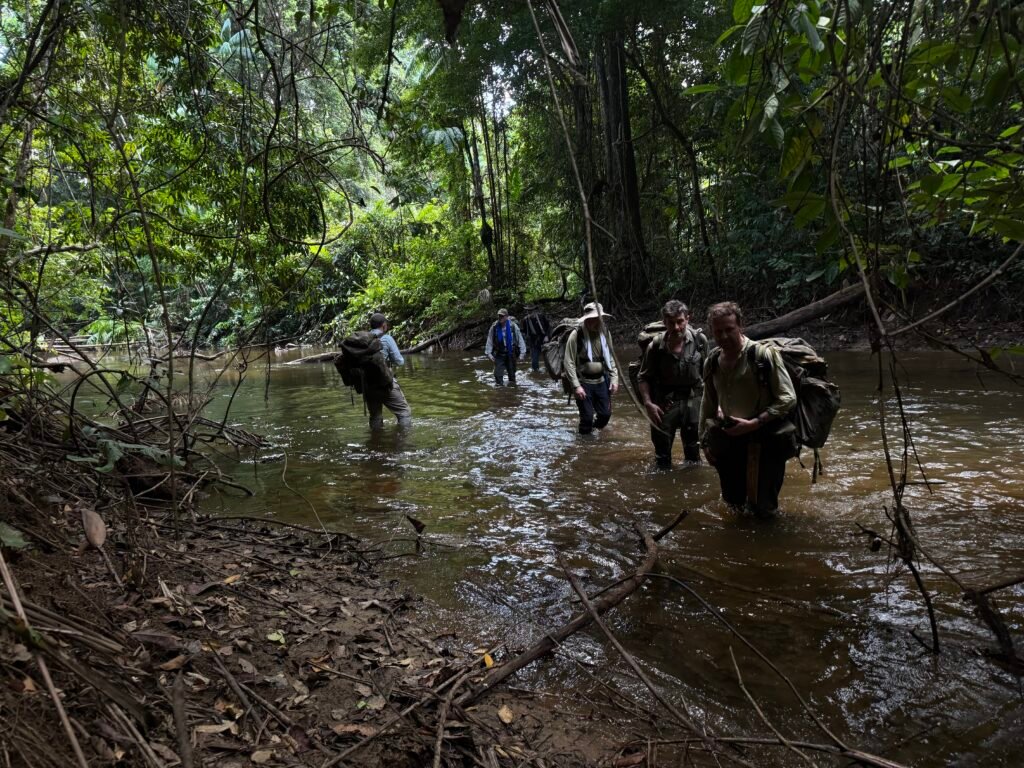
A 13-day exploratory jungle expedition into Guyana’s South Pakaraima Mountains, following old hunting trails and remote creeks through the Sipariparu watershed to attempt a new approach to Watamung Mountain.
Thirteen days through jungle, mountain, river, and savanna in one of Guyana’s most diverse wilderness regions. Trek the Kanuku Mountains, stay at Mapari Wilderness Camp, join wildlife activities at Caiman House, and travel through the landscapes once linked to the legend of El Dorado.
The Kanuku Mountains & Rupununi Wildlife Expedition is a 13-day exploration-style journey through four distinct ecosystems of Guyana: rainforest, mountain, river, and savanna. It follows old trails, river routes, and community pathways through landscapes long associated with early explorers and the legend of El Dorado.
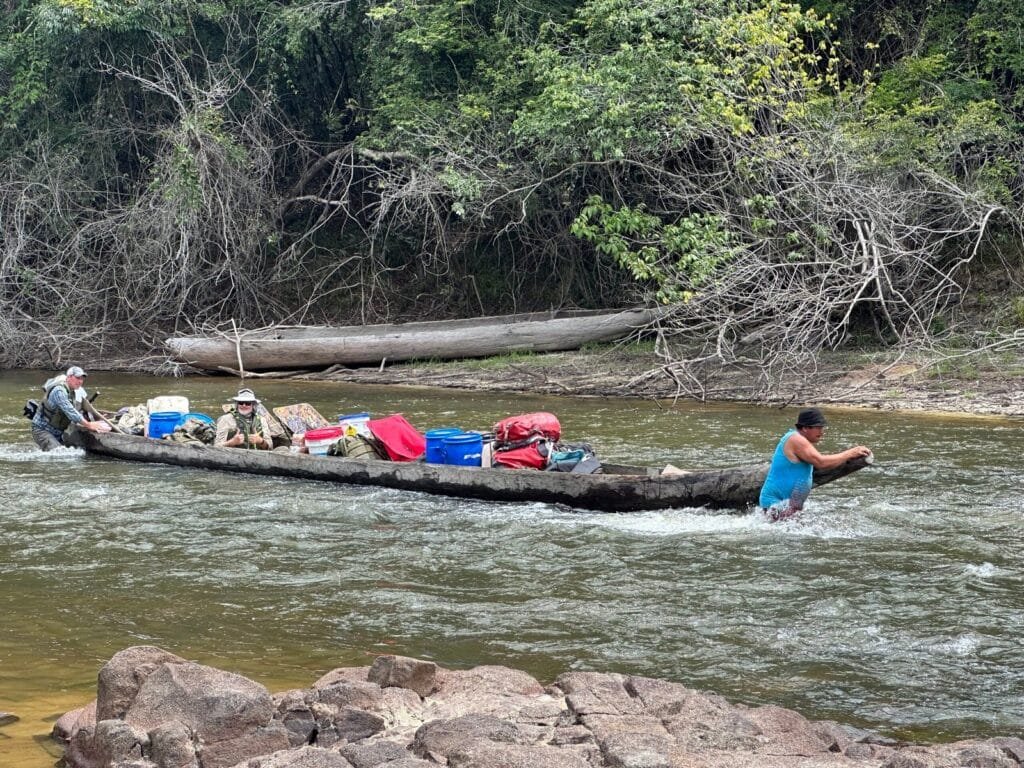
Led by experienced Indigenous Makushi guides and The Wild Tales expedition team, the journey begins in the foothills of the Kanuku Mountains. Days are spent trekking through pristine rainforest, following trails known by local hunters, crossing creeks, and camping beside waterfalls. This is the expedition phase: simple camps, forest travel, wildlife signs, river crossings, and nights surrounded by the sound of the jungle.
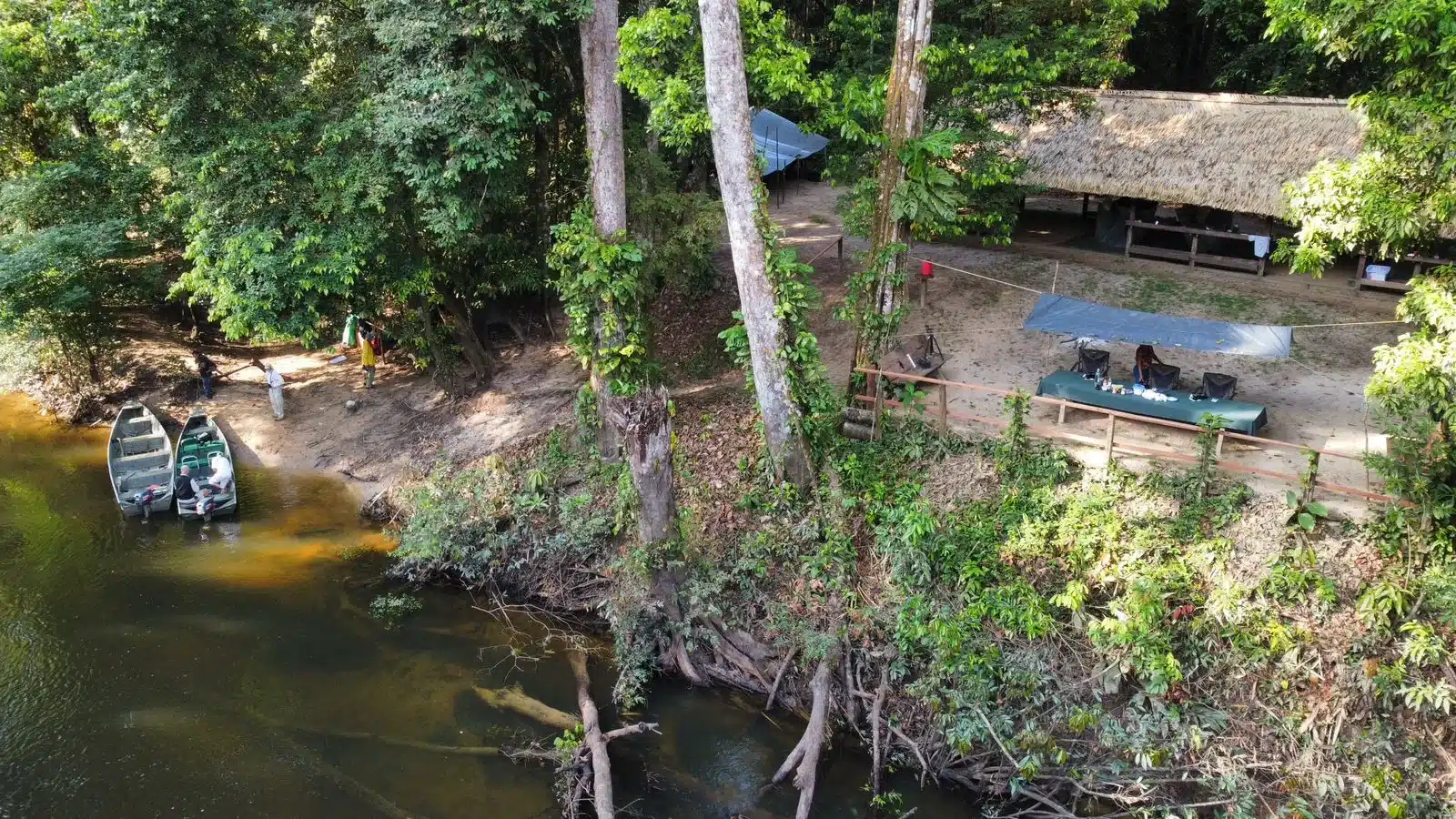
From the mountains, the route continues to Mapari Wilderness Camp, one of the most atmospheric remote camps in the Rupununi. Here the pace slows slightly, allowing time for forest walks, fishing, river drifts, waterfall swims, wildlife observation, and night walks. This is where guests begin to understand the depth of the Kanuku landscape — not just as scenery, but as living country.
The final phase shifts from forest and river into savanna. At Yupukari and Caiman House Research Station, guests take part in wildlife-focused activities such as black caiman research, giant anteater tracking, oxbow lake visits, river exploration, and time in Makushi community life. The journey ends with the open light of the Rupununi Savannah — a powerful contrast to the deep green of the Kanukus.
This is not a luxury itinerary and it is not a single-activity tour. It is a complete cross-section of wild Guyana: trekking, wildlife, rivers, communities, research, savanna, and forest camps in one continuous expedition.
This adventure is not currently scheduled, but that doesn’t necessarily mean it won’t return. If this is a journey you’d like to experience, get in touch and tell us. Depending on season, logistics and interest, we may be able to organise a future departure or a similar private adventure.
Interested in this adventure?
We’ve emailed you with an automated response, and our team will personally reach out within 1-2 business days.
If you don’t hear from us right away, it means we’re in the jungle where our internet connection isn’t stable, so we’ll respond when we’re back in civilization!
The reasons people choose this expedition when they want a fuller picture of Guyana.
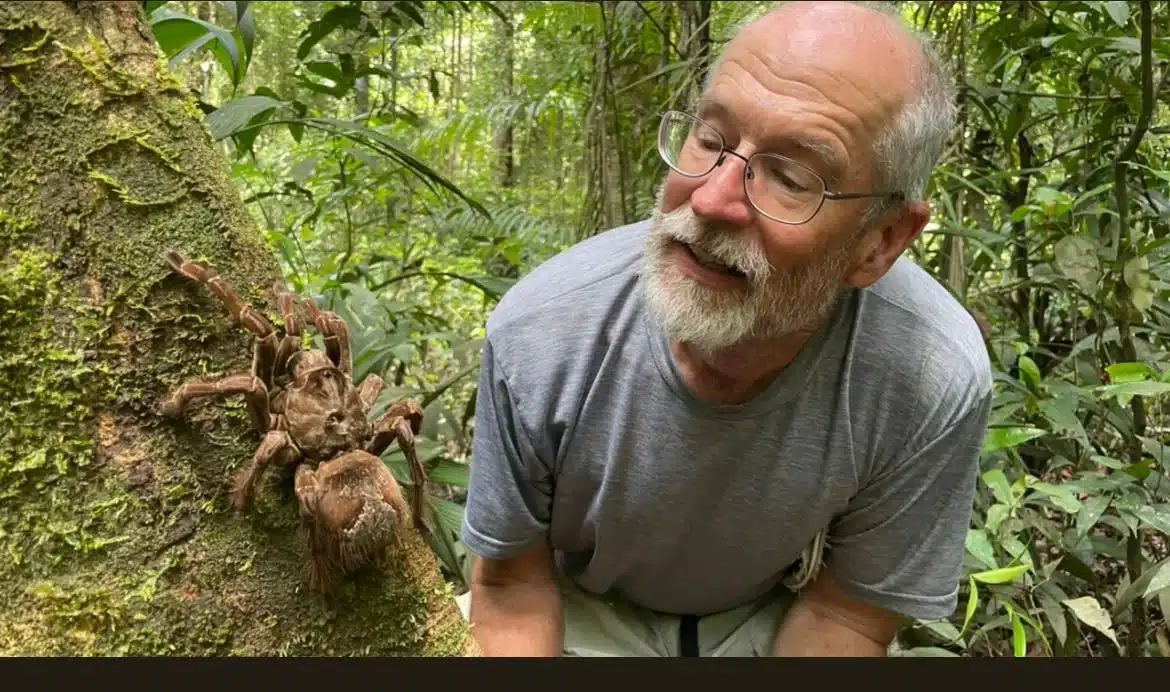
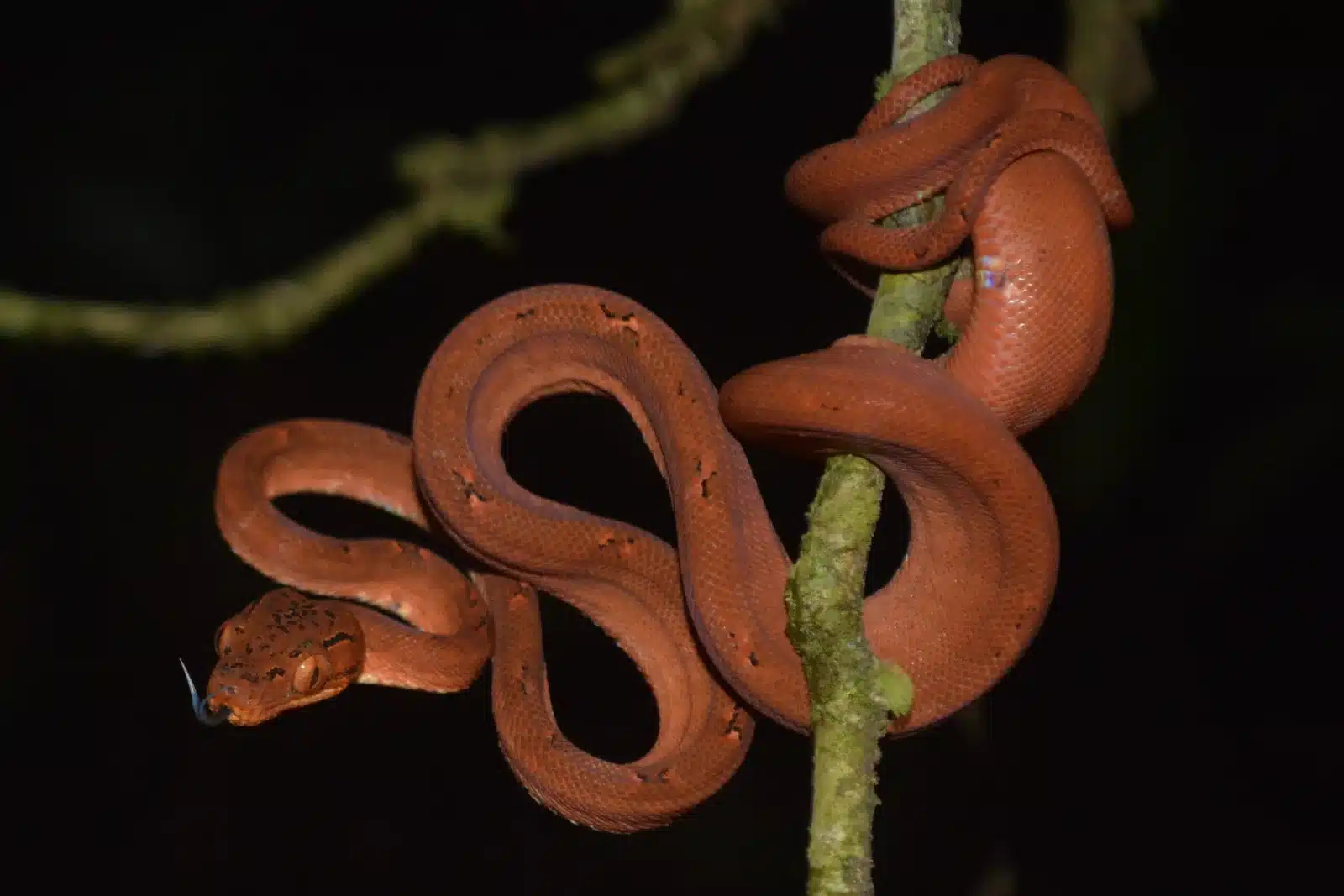
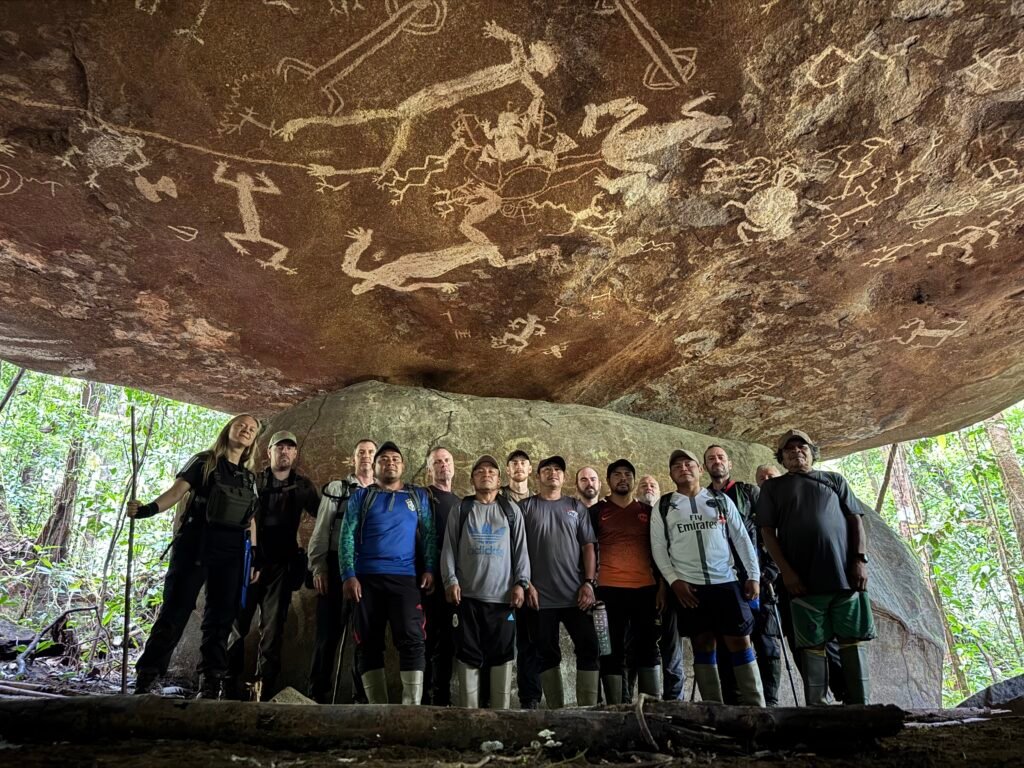
A glimpse into the trails, camps, and wildlife that define this expedition.
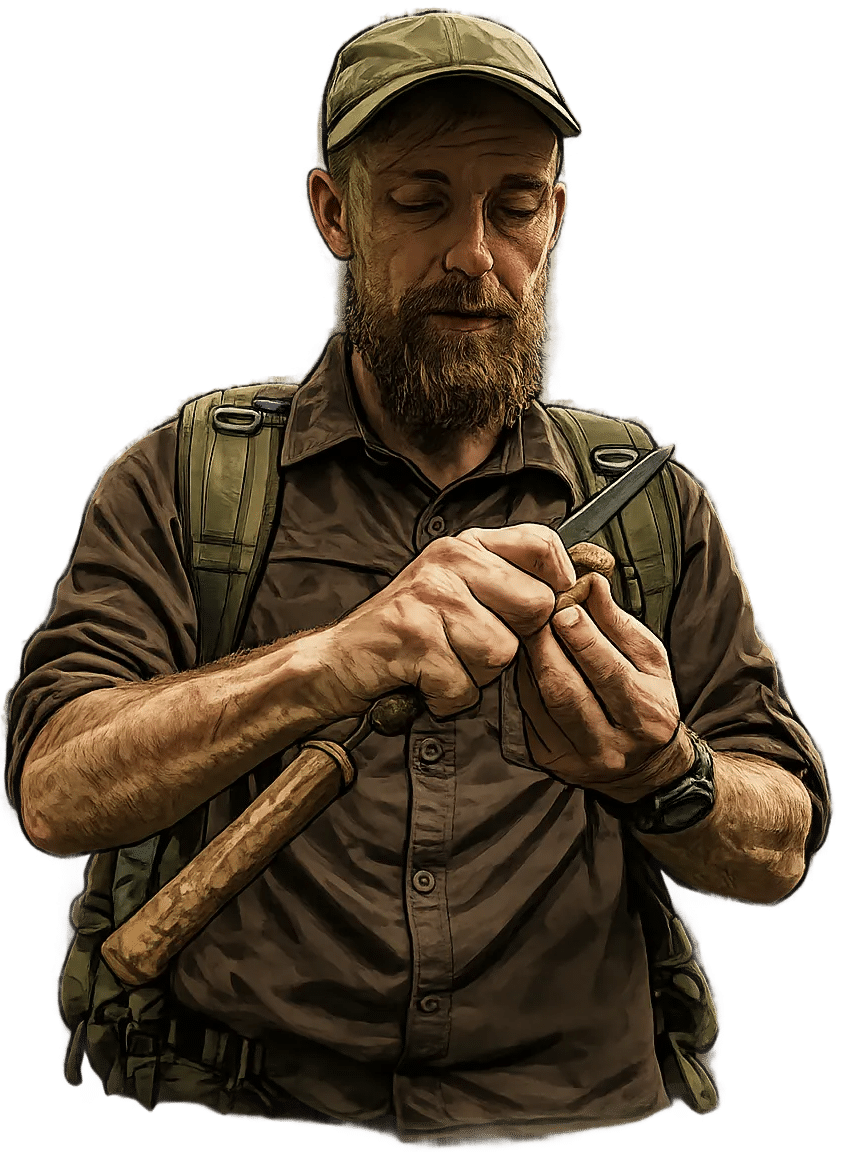
“The Kanuku and Rupununi route is one of the most complete journeys we can offer in Guyana. It is not only about trekking, and it is not only about wildlife. You move through the country properly, forest trails, mountain creeks, river camps, research stations, savanna roads, and Indigenous communities. By the end, you haven’t just visited one beautiful place. You’ve seen how the whole landscape connects.”
Lead Instructor And Owner
From first inquiry to first night in the jungle, we prepare you for a complete cross-country expedition through the Kanuku Mountains and Rupununi.
Arrival in Georgetown
Arrive in Georgetown and transfer to the group hotel. In the evening, meet the expedition leader and fellow participants for introductions, expedition briefing, and final preparation.
Journey to Parishara village
Fly south to Lethem in the Rupununi. After arrival, equipment is issued and supplies are organised before travelling by 4×4 across savanna trails toward the edge of the Kanuku Mountains. Basic camp routines are introduced, and overnight in Parishara.
Trekking begins
Begin the first full trekking day into the rainforest. Guided by Makushi hunters and forest guides, the route follows narrow trails and creeks beneath dense canopy. Camp is established near water, with time for swimming and optional night exploration.
Paimu waterfall
Continue deeper toward Paimu Falls. This remote waterfall area is reached on foot and offers a strong sense of wilderness, forest immersion, and wildlife potential. Camp is set near the falls.
Full day at Paimu falls
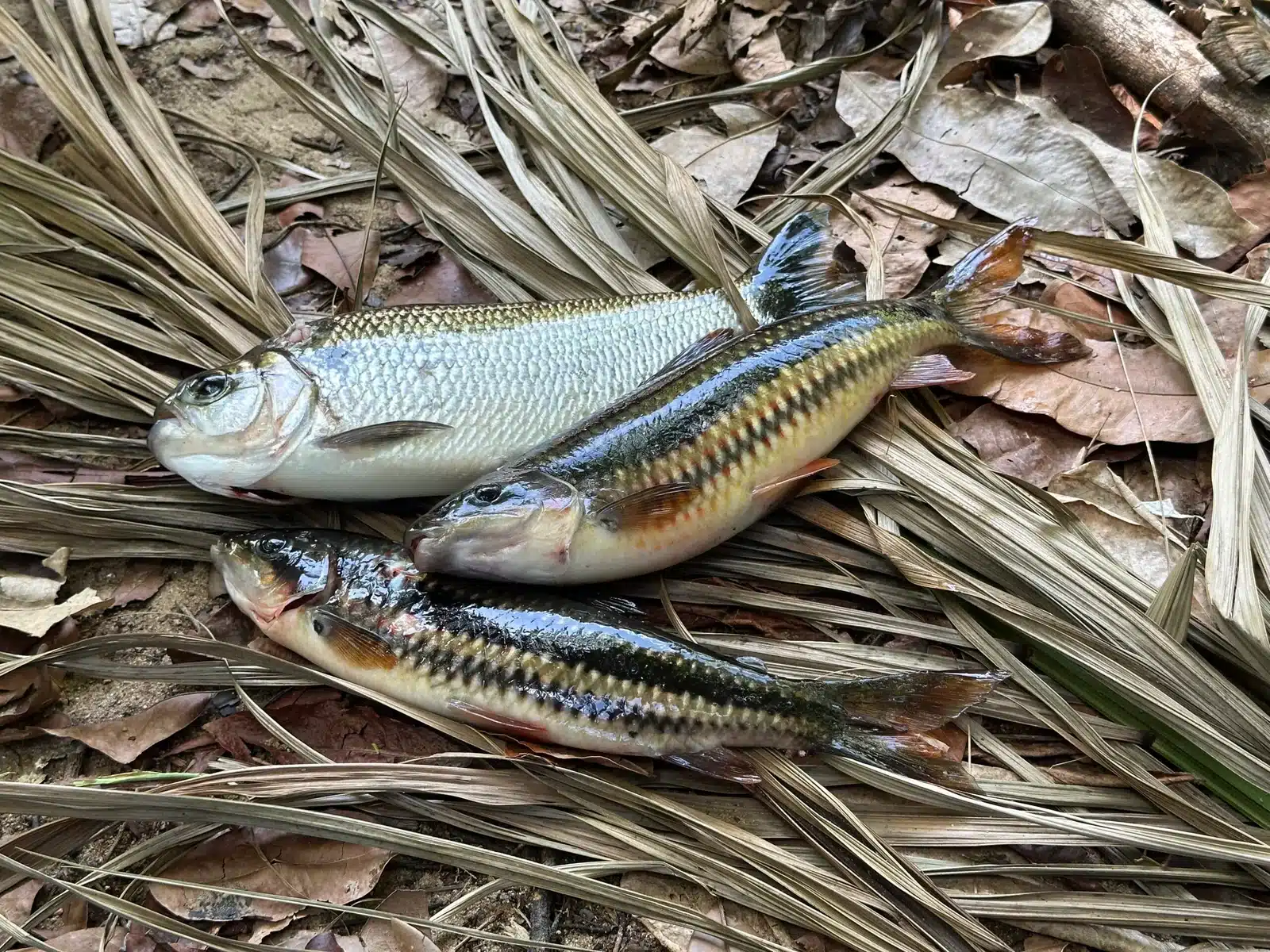
Full day at Paimu Falls. Activities may include fishing, fire-lighting, foraging, bow and arrow practice, waterfall swims, forest observation, and night walks for nocturnal wildlife.
Hike to Salipender Landing
Final hiking day toward Salipenta Landing on the Rupununi River. The trekking team says farewell to the forest guides before continuing by boat toward Mapari Wilderness Camp.
Mapari Wilderness camp
Two flexible days at Mapari Wilderness Camp. Depending on conditions and group interests, activities may include forest hikes, fishing, river drifts, waterfall swims, wildlife observation, night walks, or relaxed time in camp.
Travel to Caiman house research station
Travel by boat downstream from the mountains toward the savannas, following Mapari Creek and the Rupununi River. Arrive in Yupukari Village and check in at Caiman House Research Station.
Full day at the research station
Explore the savanna and river ecosystems around Yupukari. Activities may include giant anteater tracking, black caiman research night surveys, oxbow lake visits, river exploration, birding, and time in Makushi community life. A sunset visit to Lake Amucu may be included depending on conditions.
Travel to Georgetown
Travel back to Lethem and return by domestic flight to Georgetown. Transfer to the hotel for the final evening.
Expedition end
Departure from Guyana or onwards travel.
Everything you need to know before booking your adventure
Yes. Our guests are part of the expedition team rather than passengers.
Exactly what this involves depends on the expedition, but you should expect to participate in everyday camp life. This can include setting up and breaking down camp, collecting firewood and water, helping with group equipment and contributing to the practical jobs required to keep the expedition moving.
Our guides and local team manage the expedition and the specialist work, but everyone contributes according to their ability.
For us, this is an important part of expedition travel. You are not simply watching an expedition take place around you; you are part of it.
Not necessarily. Many of our expeditions require no specialist technical training or previous expedition experience.
However, some expeditions are physically demanding and may involve long trekking days, difficult terrain, paddling, carrying equipment or extended periods in remote environments. A smaller number may have specific experience or physical requirements.
Every expedition is different, which is why we provide a difficulty level and explain the physical requirements on the individual expedition page.
If you are uncertain about your experience or fitness, contact us. We can give you a realistic assessment of whether a particular expedition is suitable for you.
For much of an expedition, the rainforest becomes our home.
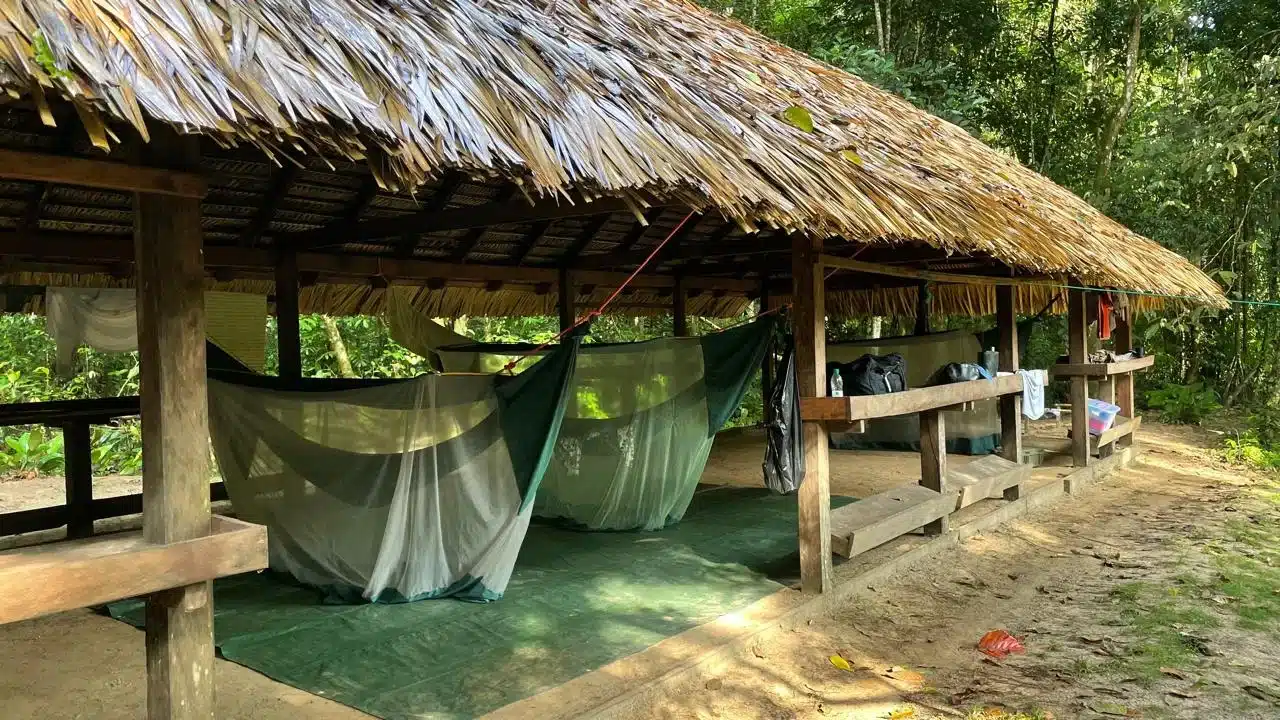
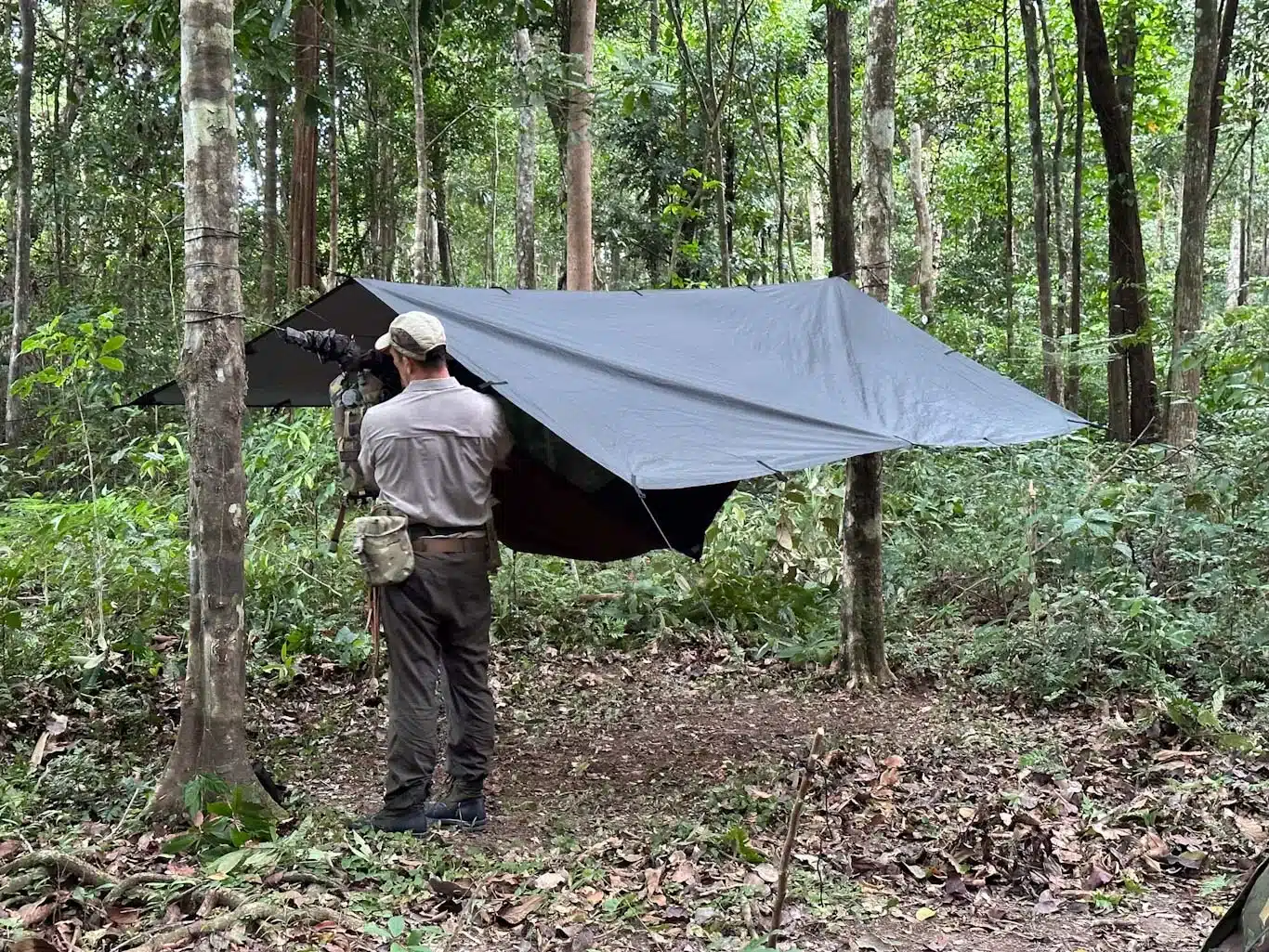
We primarily sleep in hammocks beneath tarps, either in individual camps or shared expedition camps depending on the journey. Some itineraries also include nights in indigenous communities, lodges or other simple accommodation along the route.
Meals are prepared in camp, water is collected locally and treated where necessary, and daily life revolves around travelling, establishing camp, cooking, maintaining equipment and preparing for the next stage of the journey.
It is a simple way of living, but one that quickly becomes part of the expedition experience.
Yes. Our expeditions are not luxury tours.
Depending on the itinerary, you should be comfortable sleeping in hammocks, bathing in rivers and creeks, using basic forest toilets, getting wet and muddy, and living without many of the conveniences you have at home.
That doesn’t mean we deliberately make things uncomfortable. We establish functional camps, eat properly and carry the equipment needed to operate effectively in the jungle. But when you travel into genuinely remote areas, simplicity is part of the experience.
A willingness to adapt is often more important than previous expedition experience.
Our expeditions take many different forms depending on the objective and the area we are trying to reach.
Some involve multi-day overland journeys through rainforest and mountains, while others travel deep into the interior by river, canoe, 4×4 or a combination of different forms of transport. Objectives can range from reaching remote waterfalls and mountains to exploring little-visited river systems, indigenous territories and areas of historical or archaeological interest.
What they share is that these are genuine journeys into remote Guyana. The route, logistics and challenges of reaching the destination are an important part of the expedition itself.
Yes. We provide a significant amount of the specialist equipment needed for our expeditions.
Depending on the journey, this can include hammocks, tarps, rucksacks, dry bags, machetes and other group and expedition equipment. This means you do not need to purchase an entire expedition setup before joining us.
You will receive a detailed equipment list for your particular expedition explaining exactly what we supply and what you need to bring personally.
If you already own equipment you particularly like using, you are welcome to discuss bringing it with us. We can advise whether it is suitable for the conditions in Guyana.
Explorers who booked this expedition also looked at these:
A 13-day exploratory jungle expedition into Guyana’s South Pakaraima Mountains, following old hunting trails and remote creeks through the Sipariparu watershed to attempt a new approach to Watamung Mountain.
A 14-day Indigenous-led expedition into the Pakaraima Mountains to attempt the ascent of Wokomung Tepui. Fly into Kopinang, move through primary rainforest, carry your own expedition load, and enter one of Guyana’s most remote mountain environments with Patamona guides.
Twenty days into the deep south of Guyana by old army truck, dugout canoe, and on foot. A cultural and wilderness expedition to Masakenari, one of the most remote Indigenous communities in South America, operated in direct partnership with the Wai Wai people.
Our team knows these jungles inside and out. We’re happy to help you find the perfect adventure based on your interests, fitness level, and timeframe. Every journey is unique—let’s craft yours together.
To request more information about this trip, fill in the form below and we will send you a PDF version. We look forward to hearing from you.